 Save
Save My neighbor handed me a bunch of arugula from her garden one afternoon, still dewy and impossibly tender, and challenged me to make something that wouldn't wilt it into submission. I grabbed a lemon from the counter, remembering how my grandmother would say vinaigrette should taste like a conversation between acid and oil, not a argument. Ten minutes later, I understood why she'd given me that specific vegetable—arugula doesn't just accept dressing, it seems to come alive under it. That salad became the thing I'd make whenever I needed to feel like I'd actually cooked something, even though there's barely any cooking involved.
I made this for a casual dinner with friends who'd announced they were eating lighter, and watched their faces when they realized something this simple could taste this good. One of them asked if I'd added truffle oil or something fancy, and I loved being able to say it was just lemon and good olive oil and knowing how to treat the greens right. That moment stuck with me—how the best food isn't always the most complicated.
Ingredients
- Fresh arugula: The peppery heart of this salad; buy it as close to eating as possible since it wilts faster than you'd think, and wash it gently so the leaves stay intact and crisp.
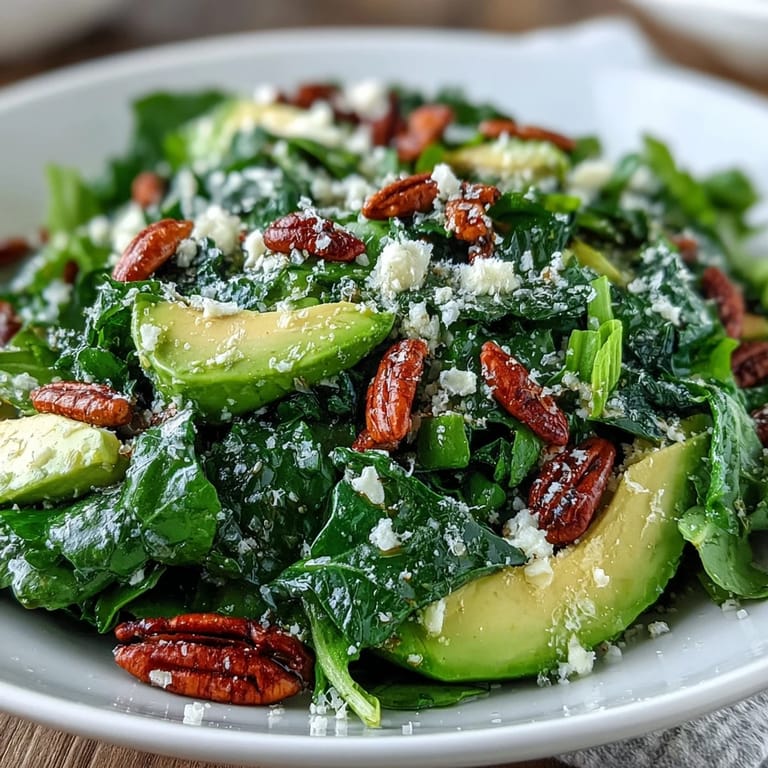
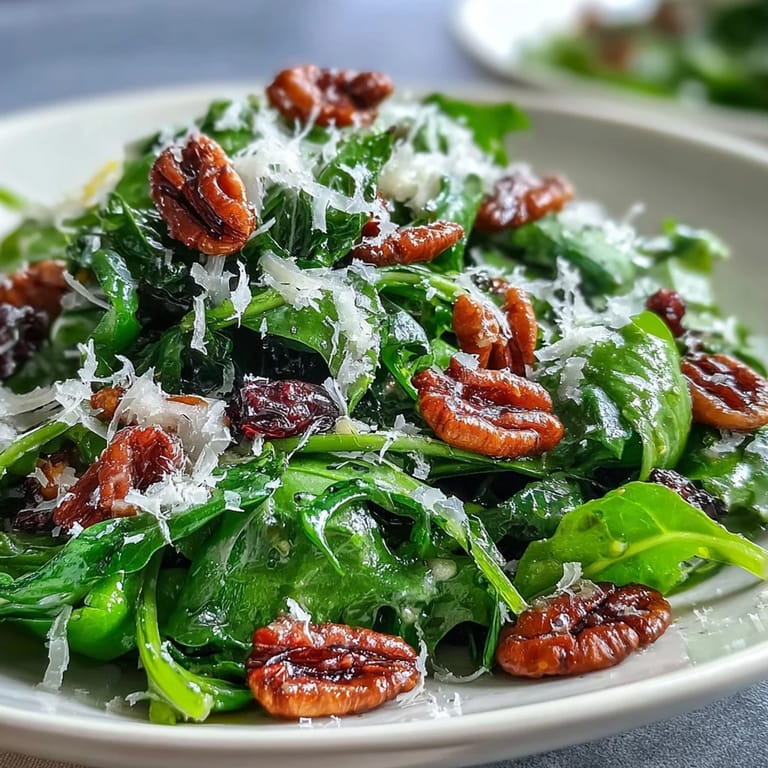
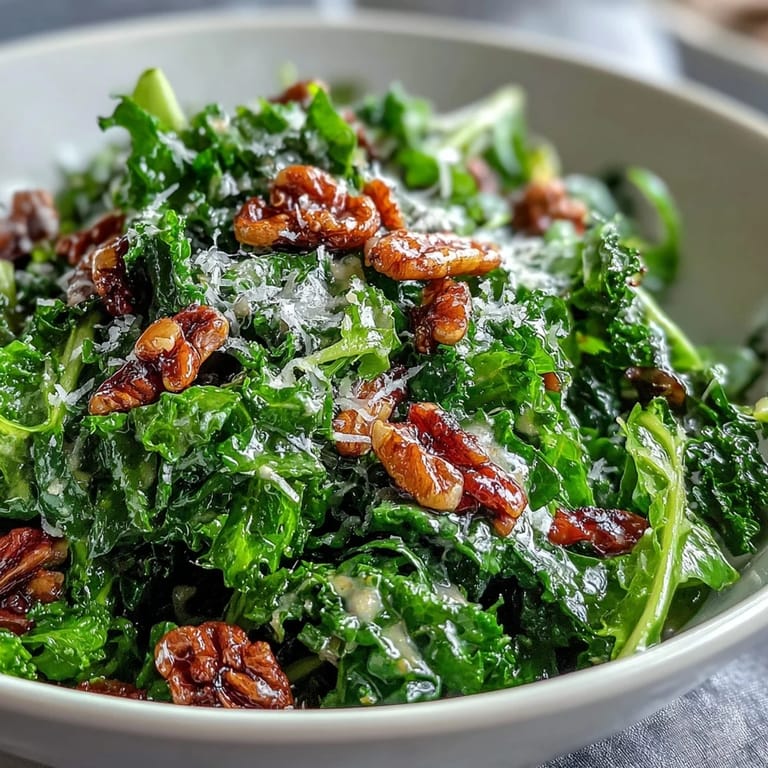
- Parmesan cheese, shaved: Use a vegetable peeler to create thin ribbons that actually melt slightly on warm greens, bringing luxury without heaviness.
- Toasted pine nuts: Optional but they add a buttery crunch that makes people reach for seconds; if you skip them, the salad is still bright and complete.
- Extra-virgin olive oil: This is the foundation, so don't reach for cooking oil—choose something with flavor that you'd actually taste in bread.
- Freshly squeezed lemon juice: Bottled lemon juice will make your vinaigrette taste thin and flat; fresh juice is the entire point.
- Dijon mustard: A small amount acts as an emulsifier, helping the oil and lemon juice actually stay together instead of separating.
- Honey: Just a touch rounds out the acidity without making anything sweet; think of it as a whisper, not a statement.
- Garlic clove, finely minced: Raw garlic in vinaigrette can be sharp, so mince it to near-paste consistency so it distributes evenly.
- Sea salt and black pepper: Freshly ground pepper matters more here than you'd expect since there's nothing to hide behind.
Tired of Takeout? 🥡
Get 10 meals you can make faster than delivery arrives. Seriously.
One email. No spam. Unsubscribe anytime.
Instructions
- Build Your Vinaigrette:
- In a small bowl or jar, whisk together the olive oil, lemon juice, Dijon mustard, honey, minced garlic, salt, and pepper until the mixture turns slightly cloudy and creamy. You're looking for emulsification—that moment when the oil stops wanting to separate from the acid.
- Dress the Greens:
- Place the arugula in a large bowl and drizzle generously with vinaigrette, then toss gently with your hands or two forks. The goal is coating, not drowning—arugula bruises easily, so treat it like you're getting it ready for a photo, not wrestling it.
- Layer in the Cheese and Crunch:
- Add the Parmesan shavings and toasted pine nuts if using, then toss one more time very lightly. The warmth from your hands and the slight weight of the cheese will help flavors meld without breaking anything.
- Serve Right Away:
- This salad is best eaten within moments of assembly—it's meant to be crisp and alive on the plate. If you need to sit with it, keep the vinaigrette separate and dress it just before serving.
 Save
Save There's a specific moment when someone takes a bite of this and their eyes slightly widen, when they taste how three simple elements—greens, acid, fat—can somehow become something bigger than their parts. That's when I know the salad has done its job, not just as food but as a small gesture that says I was paying attention to making something good.
When Simplicity Becomes Sophistication
I used to overthink salads, piling in too many vegetables and proteins until they needed a fork and a strategy to eat. This recipe taught me that sometimes the most elegant thing is knowing what to leave out. The arugula doesn't need backup; it's peppery and green and alive on its own, and everything else just lets it shine. There's real confidence in a salad with just a handful of ingredients, each one pulling its weight.
The Vinaigrette That Actually Stays Together
Most vinaigrettes I made before would separate into sad layers within minutes, which taught me the hard way that technique matters more than ratios. The mustard is doing heavy lifting here—it's an emulsifier that convinces the oil to hold hands with the acid instead of avoiding it. Once I understood that, I stopped seeing vinaigrette as a mixture and started seeing it as a balance that needs a mediator. Now I taste that slight creaminess and know I've actually succeeded.
Making It Your Own Without Losing the Plot
The beauty of this salad is that it welcomes changes without demanding them, so you can follow the basic blueprint and still make it feel personal. I've added thin slices of radish for peppery crunch, cherry tomatoes for sweetness, even shreds of lemon zest for extra brightness when I'm feeling bold. The core recipe is sturdy enough to hold these additions without falling apart, which is how you know a recipe is actually good.
- Cherry tomatoes work best when halved lengthwise so they don't roll off the salad and onto your lap.
- A few paper-thin red onion slices add color and a sharp note that cuts through the richness of the cheese.
- If you're short on time, skip the pine nuts entirely—the salad stands perfectly well on its own.
 Save
Save This salad reminds me that sometimes the best meals aren't the ones with the longest ingredient lists or the most labor involved. It's the ones where you actually taste what you're eating, where every element has a reason to be there.
Recipe FAQs
- → How should I prepare the vinaigrette?
Whisk together olive oil, fresh lemon juice, Dijon mustard, honey, minced garlic, salt, and black pepper until emulsified for a smooth, balanced dressing.
- → Can I substitute pine nuts with other nuts?
Yes, toasted walnuts or almonds can replace pine nuts for added crunch and a slightly different flavor profile.
- → What cheese pairs well with arugula in this dish?
Shaved Parmesan adds a delicate, salty richness that complements the peppery arugula and citrus dressing beautifully.
- → How can I add more color and flavor?
Incorporate sliced cherry tomatoes or thinly sliced red onions to enhance both the visual appeal and taste complexity.
- → What wines pair nicely with this salad?
Crisp white wines such as Pinot Grigio or Sauvignon Blanc complement the vibrant flavors and fresh ingredients.