 Save
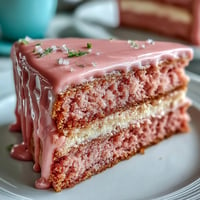
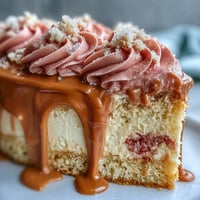
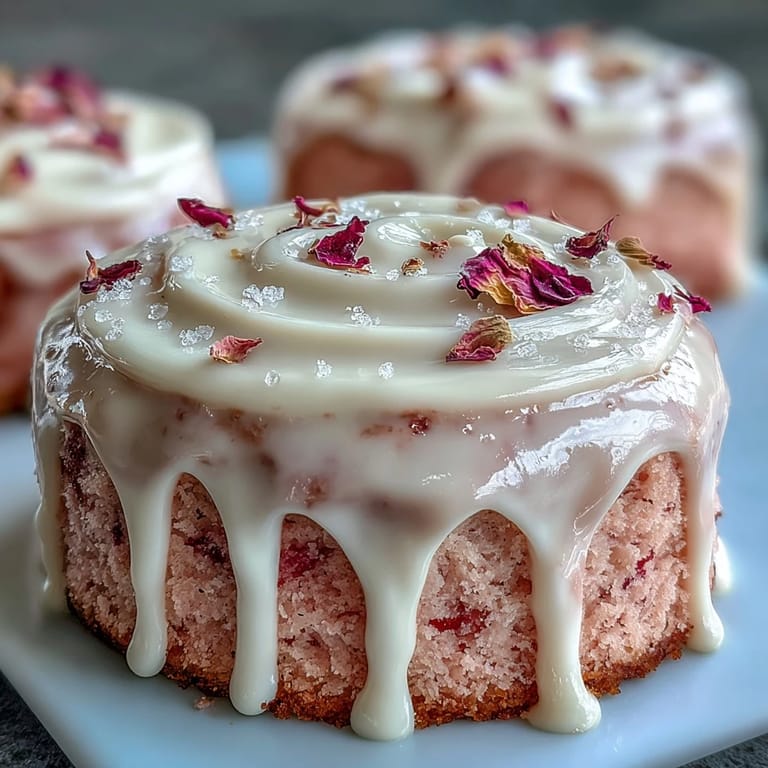
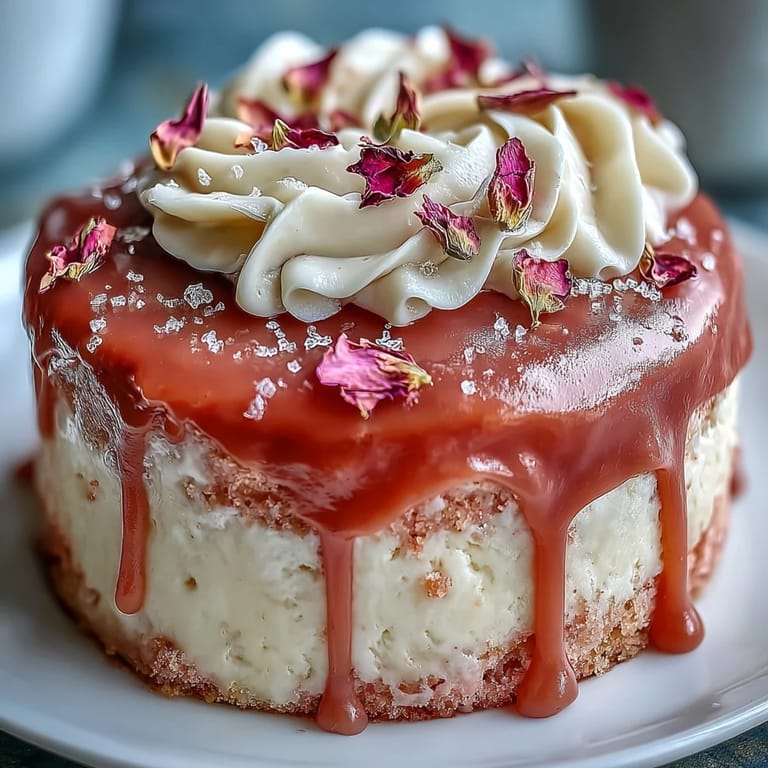
Save The distinct fizz of rosé in my glass while baking this cake always sets an anticipatory mood in the kitchen. The first time I whipped up this Rosé Velvet Cake, I wasn’t planning a grand occasion—just trying out a new twist for a Sunday brunch. The subtle aroma of the wine in the batter caught my attention, mingling with vanilla and cocoa in a way that made me glance up, eager to taste the final result. Watching the pink-hued batter rise in the oven became a small, secret thrill. Paired with gold-flecked drops on top, the whole creation felt like a celebration before I’d even shared a slice.
A couple of months ago, I made this for a dear friend’s bridal shower, with sunlight spilling onto the counter as we arranged tiny edible blossoms and giggled over crooked lines of gold. The memory of us peering anxiously at the chilled cake before daring to brush it with luster dust still makes me laugh. Our hands unsteady, the atmosphere was more playful than precise, which suited the day perfectly.
Ingredients
- All-purpose flour: Sifting the flour first keeps the crumb super light and prevents lumps—trust me, don’t skip this step.
- Cornstarch: A touch of cornstarch helps the cake stay plushy and soft, so it feels more delicate with every bite.
- Unsweetened cocoa powder: Just enough for a gentle chocolate undertone; using a high-quality Dutch-processed variety deepens the flavor without overpowering the wine.
- Baking soda: Don’t underestimate fresh baking soda; it’s essential for the cake’s lovely rise.
- Salt: Just a pinch sharpens every flavor—never trust a cake recipe that leaves it out.
- Unsalted butter: Room temperature is key for creaming; cold butter risks a dense crumb.
- Granulated and light brown sugar: Mixing both sugars yields subtle caramel notes and keeps the cake moist.
- Eggs: Letting them come to room temperature means the batter blends smoothly without curdling.
- Rosé wine: Go for a floral, fruity rosé; it’s the signature of the cake, so pick one you’d happily drink.
- Buttermilk: Adds a gentle tang and makes the cake incredibly tender—regular milk just doesn’t compare.
- Vanilla extract: Don’t be shy—a generous spoonful rounds out both the cake and frosting flavors.
- Pink gel food coloring (optional): A single drop can turn the cake from a pale blush to a vivid pink; start small and tint to your liking.
- Cream cheese: Full-fat and softened is a must for the frosting’s dreamy creaminess.
- Confectioners’ sugar: Sifted for silky, lump-free frosting—no exceptions here.
- White chocolate chips and heavy cream: This duo creates the drip; the white chocolate must be melted gently for the perfect consistency.
- Edible gold luster dust and clear vodka or lemon extract: The secret to those regal, shimmering drips.
- Edible flowers or gold leaf (optional): If you’re feeling fancy, they’re the cherry on top for eye-catching flair.
Tired of Takeout? 🥡
Get 10 meals you can make faster than delivery arrives. Seriously.
One email. No spam. Unsubscribe anytime.
Instructions
- Prep the pans:
- Line three 8-inch cake pans with parchment and grease them well—nobody wants a stuck cake after all this effort.
- Sift dry ingredients:
- Combine flour, cornstarch, cocoa, baking soda, and salt, letting a little flour dust cloud float up for good luck.
- Cream the butter and sugars:
- Beat until pale and fluffy, keeping an eye on the color and stopping to scrape the bowl so everything whips together evenly.
- Add eggs and vanilla:
- Gently mix in eggs one at a time, then pour in the vanilla—a fragrant cloud will hover above the bowl.
- Mix rosé and buttermilk:
- Stir these together in a jug; the color will be soft pink and already inviting.
- Combine wet and dry:
- Alternate adding the flour mixture and rosé-buttermilk, beginning and ending with flour, stirring slowly and admiring the batter’s blush as you go.
- Tint and portion batter:
- Add pink food coloring little by little, then divide the batter between pans, leveling each as best you can.
- Bake:
- Into the oven they go; you’ll know they’re done when a toothpick comes out clean and the kitchen breathes out a light, floral scent.
- Cool the cakes:
- Let them cool in the pans briefly, then turn out gently onto a rack to avoid cracks from steam.
- Prepare the frosting:
- Cream together soft cream cheese and butter before slowly whipping in the sugar, vanilla, and salt for a decadent, smooth spread.
- Assemble and frost:
- Layer cakes with frosting, smoothing sides and top as you build up the suspense—chill the cake to help the frosting set.
- Make the gold drip:
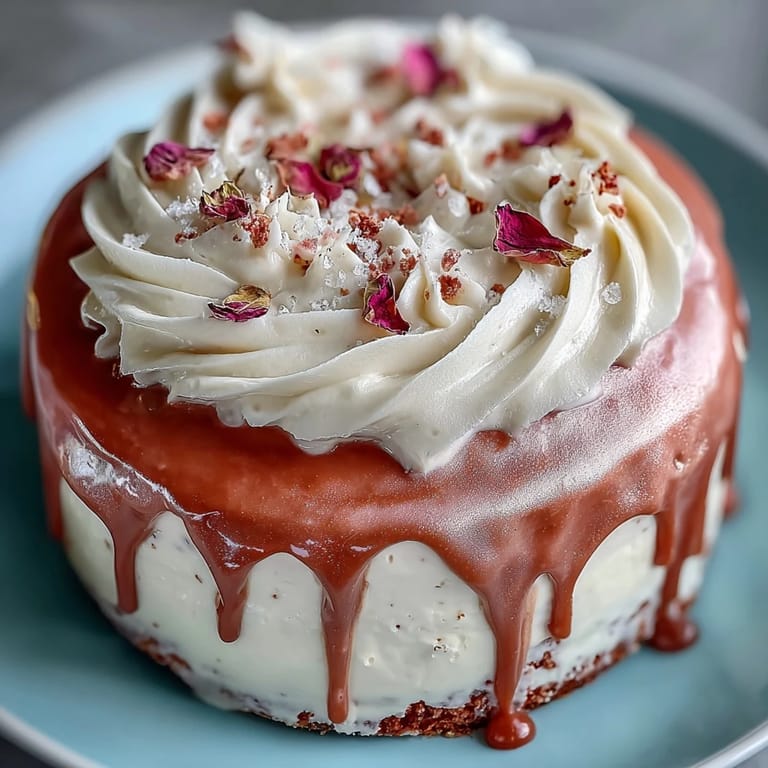
- Melt white chocolate and cream, let it cool just enough, then spoon around the cake’s edge and watch it run down in shiny ribbons.
- Paint with gold:
- Once the chocolate is set, delicately brush each drip with gold luster for a touch of show-stopping sparkle.
- Finish with flair:
- Scatter on edible flowers or gold leaf if you’re embracing all-out opulence.
 Save
Save One bite, and I remember my friend’s quiet, happy tears as we sang and savored the not-too-sweet cake, gold paint stubbornly drying on our fingertips. Cakes like this somehow turn an afternoon into a shining little event, with laughter lingering in the air long after the plates are cleared.
When Things Don’t Go as Planned
The first time I tried the gold drip, the white chocolate was too warm and slid right off—causing both a small meltdown and a quick fridge rescue. It turns out that having patience with the drip and using a teaspoon instead of a piping bag makes all the difference for those neat, dramatic drips. Flexibility is the baker’s best tool; your cake will charm, imperfections and all.
Bringing Out the Rosé Flavors
I love how the rosé aroma lifts when gently warmed in the batter, so I always taste the wine first and choose one that’s fresh, bright, and not too sweet. Even modest bottles produce a cake with delicate, grown-up flavor that feels special. If you’d rather skip the alcohol, pink grape juice or sparkling cider keep the spirit alive without compromise.
Tips for a Flawless Finish
Assembling a layer cake always reminds me to slow down, breathe, and enjoy the creative mess. Using an offset spatula makes spreading frosting way easier and prevents torn cake layers. Never forget to chill before that final flourish—the cake’s texture improves, and the decorations set perfectly.
- Wipe your offset spatula between layers for smooth sides.
- Practice gold drip technique on a plate first if you’re nervous.
- Keep edible flowers dry before arranging, so they stay perky and colorful.
 Save
Save I hope this cake brings cheer, a sprinkle of gold, and a sense of occasion to your table. Remember: the imperfections are what makes it your own—each slice carries a little story.
Recipe FAQs
- → Can I make a non-alcoholic version?
Yes. Substitute rosé with pink grape juice or sparkling cider. If using a sweeter swap, reduce other sweeteners slightly to keep balance and retain fruit-forward flavor.
- → How do I get a consistent pink hue?
Use concentrated gel food coloring added a little at a time for predictable color. For a natural blush, beet powder or a touch of pomegranate concentrate works without altering texture.
- → How can I prevent the frosting from sliding?
Chill the layers after crumb coating so the frosting firms. Use a cold frosting that is still spreadable, and refrigerate briefly between coats to set the structure before decorating.
- → What type of rosé works best?
Choose a dry, fruit-forward rosé—Provence-style or a light, aromatic bottle. Avoid heavily tannic or very sweet wines so the floral-fruity notes complement the cocoa and cream cheese.
- → How do I make the gold drip stable and shiny?
Make white-chocolate ganache warm and pourable but not hot; drip it onto a chilled cake so it sets quickly. Mix edible gold luster dust with a few drops of vodka or lemon extract to paint the set drips for a lustrous finish.
- → How should I store the finished cake?
Keep refrigerated, covered to prevent drying and odors. Bring to room temperature for 30–60 minutes before serving. Best eaten within 2–3 days for optimal texture and flavor.