 Save
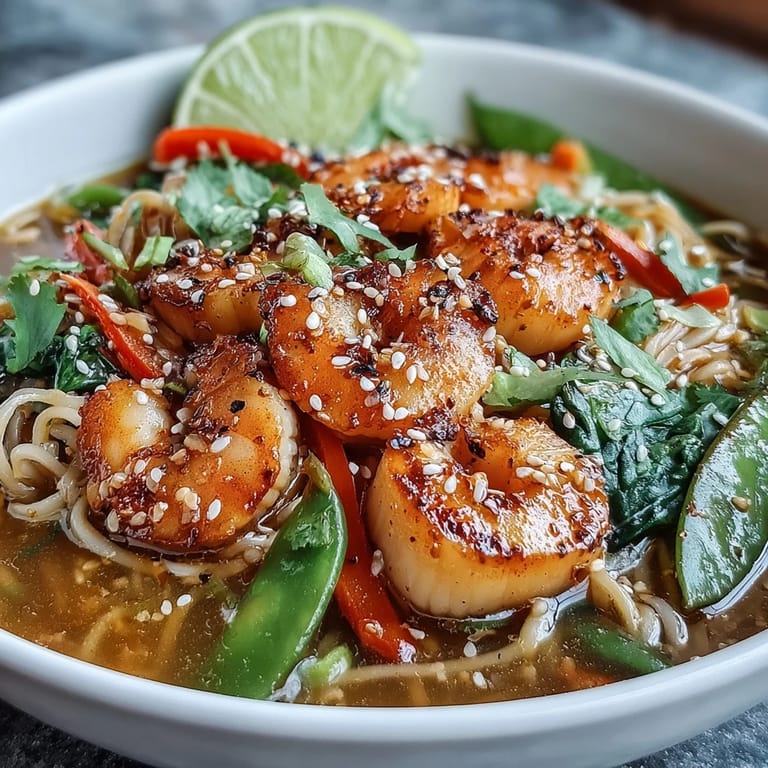
Save My kitchen filled with steam one Tuesday evening when I decided to stop ordering takeout and actually recreate the noodle bowls I'd been craving. The moment those scallops hit the hot broth and released their sweet aroma, I knew this wasn't going to be just another weeknight dinner. Something about combining seafood with silky noodles and that umami-rich broth made everything feel intentional and special. Now it's become my go-to when I want restaurant-quality food without the delivery fee.
I made this for my friend Sarah on a rainy Sunday, and watching her reaction when she tasted it—that moment of surprise when she realized how deeply flavored the broth was—reminded me why I love cooking for people. She immediately asked for the recipe, then showed up at my door a week later saying she'd made it three times already. That's when I knew this bowl had become something we'd both keep making.
Ingredients
- Large shrimp (200 g): Buy them already peeled if you're short on time, but patting them completely dry is the secret to getting a slight caramelization when they hit the broth.
- Sea scallops (200 g): These are the ingredient that transforms the entire dish from good to unforgettable, so don't skip them or substitute with smaller bay scallops which cook differently.
- Rice noodles or soba noodles (200 g): I prefer rice noodles for their delicate texture, but soba adds an earthy note that pairs beautifully with seafood.
- Carrot, julienned: The thin cut means it stays slightly crisp in the broth rather than becoming mushy, which is exactly what you want.
- Red bell pepper, thinly sliced: I use red over other colors because it adds a subtle sweetness that balances the savory broth perfectly.
- Snow peas (100 g): These stay bright green and snappy, adding texture that makes you notice every bite.
- Baby bok choy, halved: It's hearty enough to hold up in hot broth but delicate enough to feel elegant in the bowl.
- Spring onions, sliced: A handful scattered on top at the end brings a fresh, sharp bite that cuts through the richness of the seafood.
- Fresh ginger (1 tablespoon, grated): Use a microplane or grater so it releases its oils quickly when it hits the hot oil, making the kitchen smell absolutely incredible.
- Garlic cloves (2, minced): Mince these fine and don't let them brown, or they'll turn bitter and harsh instead of sweet and aromatic.
- Low-sodium broth (1 liter): The low-sodium version is crucial because you're adding soy sauce and fish sauce, which are already salty.
- Soy sauce (2 tablespoons): This is your umami foundation, so use a decent quality brand if you can.
- Fish sauce (1 tablespoon): I know it smells funky in the bottle, but trust me—it's what makes people say the broth is addictive without knowing exactly why.
- Sesame oil (1 tablespoon): Use the toasted kind, not the light cooking version, because it actually tastes like something.
- Rice vinegar (1 tablespoon): A tiny bit of acid brightens everything and prevents the broth from tasting one-note or flat.
- Chili paste (1 teaspoon, optional): I usually add this because a whisper of heat makes all the other flavors sing, but taste first before committing.
- Fresh cilantro (optional): Some people hate it, so I keep it on the side so everyone can choose.
- Toasted sesame seeds: The toasting makes all the difference—they taste nutty and sophisticated rather than bland.
- Lime wedges: A squeeze at the end is like hitting a refresh button on your palate.
Tired of Takeout? 🥡
Get 10 meals you can make faster than delivery arrives. Seriously.
One email. No spam. Unsubscribe anytime.
Instructions
- Get the noodles ready:
- Cook them according to the package, then rinse with cold water so they don't stick together in a clump. Set them aside and forget about them for a moment.
- Wake up the broth with aromatics:
- Heat sesame oil over medium heat and add your ginger and garlic, stirring constantly for just one minute. You're not trying to cook them, just coax out their fragrance.
- Build your broth:
- Pour in the broth, soy sauce, fish sauce, and rice vinegar all at once, then bring everything to a gentle simmer. This isn't meant to boil aggressively—you want barely-breaking bubbles.
- Give the vegetables a head start:
- Add the carrots, bell pepper, snow peas, and bok choy to the simmering broth and let them cook for three to four minutes until they're just tender but still have a slight snap. This timing matters because overcooked vegetables disappear into nothing.
- Add the seafood gently:
- Nestle in the shrimp and scallops and let them cook for two to three minutes at a gentle simmer until they turn opaque. This is the moment where patience matters—overcooking them for even a minute makes them rubbery and sad.
- Taste and adjust:
- Before serving, taste a spoonful of broth and decide if it needs more heat with chili paste, more salt, or another squeeze of acid. Trust your instincts here.
- Bring it all together:
- Divide the cooked noodles among four bowls, then ladle the hot broth, seafood, and vegetables over the top so everything gets a chance to mingle.
- Finish with personality:
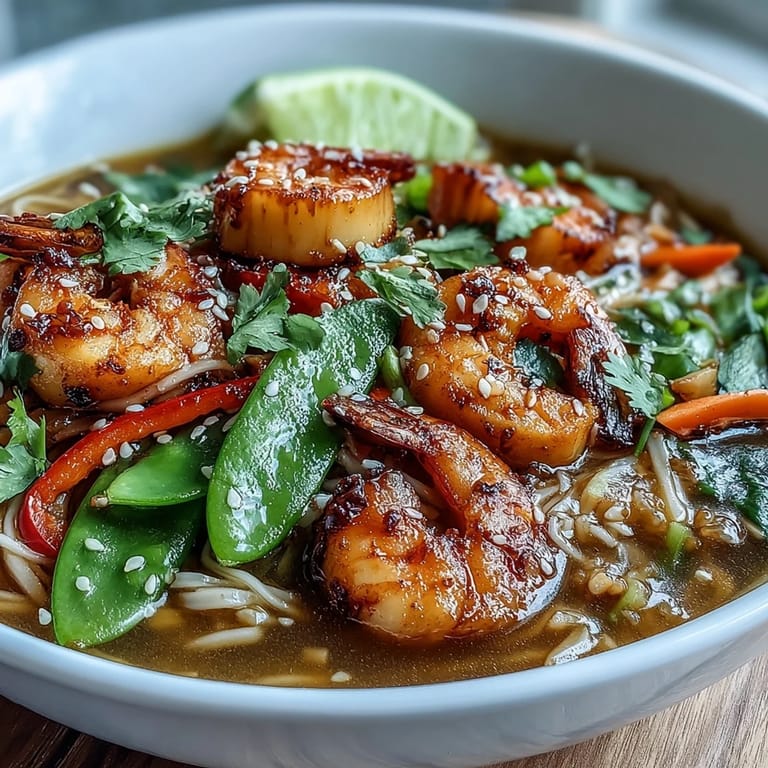
- Top each bowl with spring onions, cilantro if you're using it, a generous pinch of toasted sesame seeds, and a lime wedge on the side.
 Save
Save The first time someone asked me for seconds and I realized I'd made exactly four servings for four people, I laughed at my terrible planning. But honestly, this is a dish that makes people feel cared for, like you spent more time on it than you actually did.
The Secret to Silky Noodles
Rinsing your cooked noodles with cold water stops the cooking process and keeps them from becoming a gluey mess, but it also separates them so they don't clump together when you ladle hot broth over them. I learned this by making them without rinsing once, and the texture was completely different—denser and less elegant. Now I always rinse, and it makes a surprising difference in how the dish comes together.
Why Fish Sauce Isn't an Insult
The first time I opened a bottle of fish sauce, I nearly gagged and almost threw it away. But a friend told me to trust the process, so I used it anyway, and the moment that broth simmered for a minute, the smell completely transformed into something savory and deeply delicious. Fish sauce is one of those ingredients that seems aggressive on its own but becomes invisible and magical once it's combined with other flavors. Now I keep a bottle at the back of my pantry year-round.
Making This Meal Flex
The beauty of this bowl is that it's built for adaptation without falling apart. You can swap vegetables based on what you have or what's in season, use different noodles depending on your mood, and even add mushrooms or tofu if you're cooking for people with different preferences. The broth is sturdy enough to carry any combination you throw at it.
- Vegetarian or vegan versions work beautifully with extra tofu and a splash more sesame oil for richness.
- Add a soft poached egg to the top if you want to make it feel even more substantial and luxurious.
- Make the broth the night before and reheat it gently so the flavors deepen and marry together.
 Save
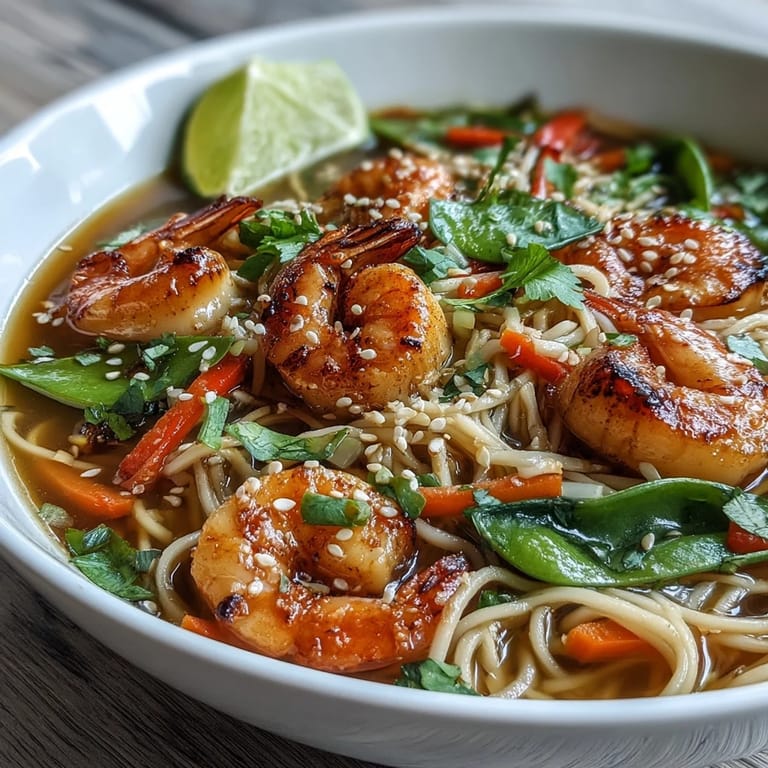
Save This noodle bowl became one of those dishes I make when I want to feel like I'm doing something special without it being complicated. That's the real magic right there.
Recipe FAQs
- → What type of noodles work best for this bowl?
Rice noodles or soba noodles are ideal for their delicate texture and ability to absorb the flavorful broth. Udon or egg noodles make excellent substitutes if preferred.
- → How do I prevent overcooking the seafood?
Add the shrimp and scallops when the broth is at a gentle simmer, not boiling vigorously. Cook just 2-3 minutes until opaque and remove immediately to prevent rubbery texture.
- → Can I make this dish vegetarian?
Yes, simply omit the seafood and replace with firm tofu cubes. Use vegetable broth instead of chicken broth and add the tofu during the last 2 minutes of cooking.
- → How can I adjust the spice level?
Start with a small amount of chili paste and taste before adding more. You can also add sliced fresh chilies, red pepper flakes, or sriracha for additional heat.
- → What vegetables can I add for variety?
Sliced mushrooms, baby corn, snap peas, or spinach work beautifully. Consider adding bean sprouts for crunch or napa cabbage for extra sweetness.
- → Can I prepare the broth in advance?
Yes, prepare the broth base up to 2 days ahead and store refrigerated. Reheat gently, then add fresh vegetables and seafood when ready to serve.