 Save
Save My neighbor stopped by one autumn afternoon with a container of black-eyed peas from her garden, and I found myself standing in my kitchen wondering what to do with them beyond the usual Southern preparations. That's when I decided to go in a completely different direction—warming spices, coconut milk, and the kind of aromatic intensity that fills your whole house. One pot, forty minutes, and suddenly something humble became something I couldn't stop thinking about.
I made this for a small dinner party once when someone mentioned being vegan, and I watched their face light up when they tasted it. Nobody asked what was in it or whether it was actually good for them—they just asked for seconds and wanted the recipe. That's when I knew this curry had crossed over from practical to genuinely loved.
Ingredients
- Black-eyed peas: Two cups cooked or one rinsed can—they're sturdier than they look and hold their shape beautifully in liquid.
- Coconut oil: Use about a tablespoon; it carries the warmth of the spices forward in a way neutral oil just won't.
- Onion: One large one, finely chopped, becomes your flavor foundation—don't rush the softening step.
- Garlic and ginger: Three cloves minced plus a tablespoon of fresh grated ginger create that unmistakable aromatic backbone.
- Ground cumin and coriander: A teaspoon each; these two are the quiet heroes that make everything taste authentic without being obvious.
- Turmeric: One teaspoon for that warm, earthy color and subtle bitterness that balances the sweetness.
- Chili powder and black pepper: Half a teaspoon each, adjustable depending on who's eating.
- Garam masala: One teaspoon added at the end for that final aromatic pop.
- Mustard seeds: Optional but worth it—they crackle and release their nutty flavor in seconds.
- Coconut milk: One can (14 ounces) creates the creamy richness that makes this feel special.
- Vegetable broth or water: Half a cup keeps the curry from becoming too thick too quickly.
- Diced tomatoes: One can adds acidity that brightens everything else.
- Green peas: One cup fresh or frozen, added halfway through for texture and freshness.
- Green chilies: One or two, chopped—optional but they add a subtle heat that builds as you eat.
- Salt: About a teaspoon and a half, though taste as you go because coconut milk can mask saltiness.
- Fresh cilantro and lime: Cilantro chopped for garnish, juice of half a lime squeezed in at the end—this is where the brightness lives.
Tired of Takeout? 🥡
Get 10 meals you can make faster than delivery arrives. Seriously.
One email. No spam. Unsubscribe anytime.
Instructions
- Toast the seeds and build your base:
- Heat a large saucepan over medium heat and add the coconut oil. If you're using mustard seeds, listen for that sizzle—it takes about 30 seconds and sounds like tiny popcorn kernels. Then add your chopped onions and let them soften into something golden and almost translucent, about five minutes; your kitchen starts smelling like something good is happening.
- Layer in the aromatics:
- Stir in the minced garlic, grated ginger, and chopped green chilies if you're using them. Cook this for a minute or two until the raw edge comes off and you can smell how much more complex everything has become.
- Bloom the spices:
- Add your cumin, coriander, turmeric, chili powder, and black pepper all at once, stirring constantly for about one minute. This matters more than you'd think—blooming them in oil helps release their full flavor instead of leaving them dusty and one-dimensional.
- Add the tomatoes and let them break down:
- Pour in your can of diced tomatoes and let everything cook together for about five minutes, stirring now and then. The tomatoes will soften and begin to merge with the spices, creating a deeper flavor base.
- Bring in the peas:
- Add your cooked black-eyed peas and green peas, stirring everything together so they're coated with the spiced tomato mixture.
- Pour in the creamy coconut milk:
- Stir in the coconut milk and vegetable broth, bringing everything to a gentle simmer. This is when the curry starts to come together, and the aroma shifts into something almost hypnotic.
- Let it simmer and develop:
- Keep the heat at a simmer and cook uncovered for about 15 to 20 minutes, stirring occasionally. You're looking for the curry to thicken slightly and for all those individual flavors to become something bigger than themselves. Taste a few times and adjust the salt.
- Finish with brightness:
- Stir in the garam masala and the juice from half a lime. The garam masala adds a final warm note, and the lime juice suddenly makes everything taste sharper and more alive.
- Serve with intention:
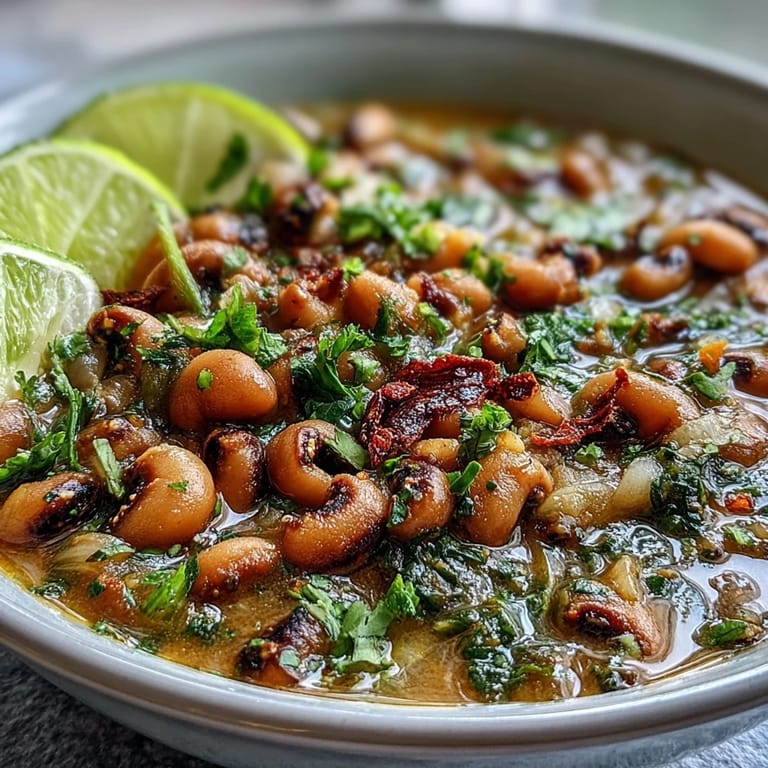
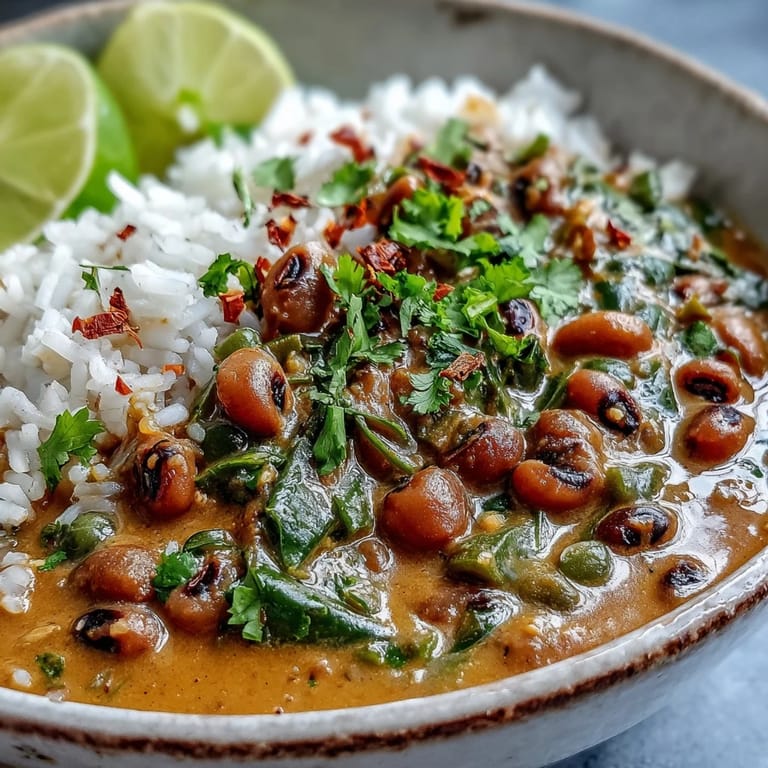
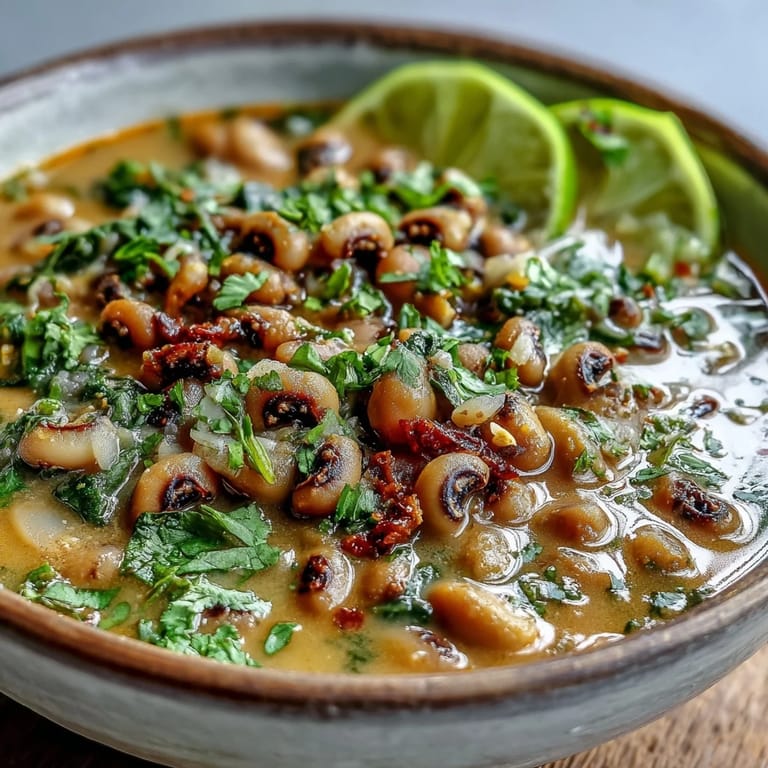
- Ladle the curry into bowls, garnish with fresh cilantro, and serve alongside rice, naan, or whatever feels right. Each bowl should look generous and smell like someone who knows what they're doing made it.
 Save
Save There's something about serving a bowl of this curry that makes you feel capable in the kitchen, even if you've never tried Indian cooking before. The first time someone says it tastes like a restaurant, you realize you've unlocked something worth keeping.
When to Use Canned Versus Cooked Black-Eyed Peas
I've made this with both, and honestly, canned works beautifully—just rinse and drain them well so you don't end up with a curry that tastes metallic. If you have time to cook them from dried, they have a slightly firmer texture and you control the salt, which can be nice. Either way, you'll have a delicious meal.
The Spice Adjustment Question
People always ask how spicy this is, and the truth is it depends entirely on your green chilies and chili powder. I usually start conservative with the chili powder and let people add lime juice and cilantro to brighten it up if they want more intensity. The garam masala adds warmth without heat, which is why it's such a smart finishing ingredient.
What to Serve It With and Other Thoughts
Basmati rice is the natural choice, but I've served this over cauliflower rice, with naan, and even over roasted sweet potato when I was feeling creative. The curry is rich enough to stand alone, though something starchy alongside it makes the meal feel more complete and helps cool down any heat from the spices. This is also wonderful as leftovers—the flavors actually deepen overnight.
- Make extra and freeze it; it keeps for up to three months and thaws beautifully.
- If you want to add vegetables, spinach or mushrooms work wonderfully stirred in at the very end.
- Consider serving with a cooling yogurt on the side if people want something to balance the warmth.
 Save
Save This curry became the dish I make when I want to feel like myself in the kitchen, and when I want to feed people something that tastes like care. It's simple enough to stop overthinking, but intentional enough to feel proud of.
Recipe FAQs
- → Can I use dried black-eyed peas instead of canned?
Yes, soak dried peas overnight and cook until tender before adding to the curry. This will extend your total time but yields excellent texture.
- → How can I make this curry thicker?
Simmer uncovered longer to reduce liquid, or mash a portion of the peas against the side of the pot. Adding less broth also creates a richer consistency.
- → What's the best way to adjust the spice level?
Reduce or omit the green chilies and chili powder for milder heat. Add fresh chopped chilies as a garnish so diners can customize their portions.
- → Can I freeze this curry?
This freezes beautifully for up to 3 months. Cool completely, store in airtight containers, and thaw overnight in the refrigerator before reheating gently.
- → What other legumes work well in this dish?
Chickpeas, kidney beans, or black beans all substitute beautifully. Cooking times remain similar, though chickpeas may need slightly longer simmering.
- → Is full-fat coconut milk necessary?
Full-fat provides the creamiest texture and richest flavor, but light coconut milk works if you prefer a lighter version. The sauce will be slightly less thick.