 Save
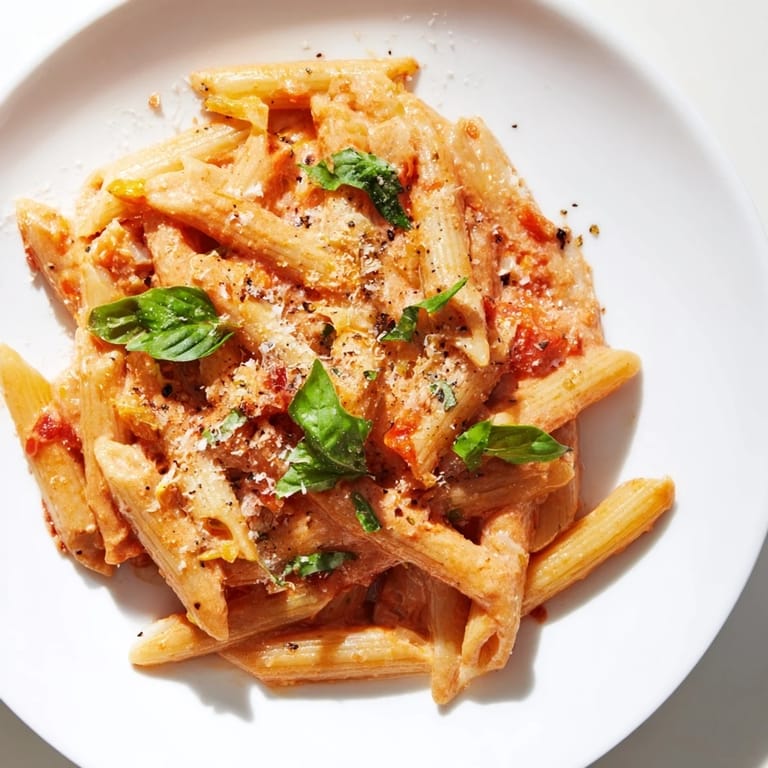
Save There's something magical about the way a single pot can transform the simplest ingredients into something that tastes like you've been cooking for hours. I discovered this pasta one weeknight when I was too tired to juggle multiple pans, and what started as a shortcut became my most-requested dish. The garlic and basil hit you first, then the cream mellows into the tomato in a way that feels almost luxurious for how little effort it takes. My kitchen smelled incredible, and by the time I called everyone to the table, they were already hovering by the stove.
I made this for my sister on a random Tuesday afternoon, and she sat at the kitchen counter with her feet up, talking about her day while the pot bubbled away. The smell of garlic and tomato filled the whole apartment within minutes, and by the time we sat down to eat, she said it reminded her why she moved back to the city. That's when I realized this isn't just pasta—it's an invitation to slow down and actually taste what you're eating.
Ingredients
- Penne or fusilli pasta (350 g): The ridges and twists catch the creamy sauce beautifully, making every bite feel intentional rather than just coating noodles.
- Olive oil (2 tbsp): Use one you actually like the taste of—it's the foundation, and good oil makes a noticeable difference.
- Yellow onion (1 medium): Chopped fine so it softens completely into the sauce, adding sweetness and body without being identifiable.
- Garlic (4 cloves): Minced small so it cooks fast and gets fragrant rather than bitter; this is where the soul of the dish lives.
- Red pepper flakes (1/2 tsp, optional): A whisper of heat that makes your brain notice the tomato more; skip it if you're cooking for someone sensitive to spice.
- Canned crushed tomatoes (800 g): Canned is better here than fresh because the acidity and sweetness are already balanced by whoever processed them.
- Tomato paste (2 tbsp): Concentrated tomato flavor that deepens everything; a small amount goes a long way.
- Sugar (1 tsp): Balances the acidity of the tomatoes so the sauce tastes round rather than sharp.
- Salt and black pepper: Taste as you go—these quantities are a starting point, not a law.
- Heavy cream (200 ml): The magic ingredient that transforms tomato sauce into something creamy and sophisticated without being heavy.
- Parmesan cheese (60 g): Freshly grated tastes sharper and melts better than pre-shredded; it's worth the thirty seconds with a grater.
- Fresh basil (1 cup): Chopped just before serving so it stays bright green and aromatic rather than turning dark and bitter.
- Water or vegetable broth (600 ml): The liquid that cooks the pasta and becomes part of the sauce; broth adds a subtle depth if you have it on hand.
Tired of Takeout? 🥡
Get 10 meals you can make faster than delivery arrives. Seriously.
One email. No spam. Unsubscribe anytime.
Instructions
- Heat the oil and soften the onion:
- Warm olive oil in your largest pot or skillet over medium heat, then add chopped onion and let it cook for 3 to 4 minutes, stirring occasionally. You're looking for it to turn translucent and soft, which is when you know it's ready for the garlic.
- Build the flavor base:
- Add minced garlic and red pepper flakes (if using) and stir constantly for about a minute. You'll smell it immediately—that's your signal that the raw garlic edge is gone and it's starting to caramelize slightly.
- Add the tomatoes and paste:
- Stir in the crushed tomatoes, tomato paste, sugar, salt, and black pepper, mixing until everything is combined and the tomato paste disappears. This is the point where the kitchen starts smelling like a restaurant.
- Add pasta and liquid:
- Pour in the uncooked pasta and water or broth, stirring so the pasta is mostly submerged (it doesn't have to be completely underwater). Bring everything to a boil, which should take 2 to 3 minutes.
- Simmer until tender:
- Reduce heat to medium-low, partially cover the pot, and let it simmer for 12 to 14 minutes, stirring every couple of minutes so nothing sticks to the bottom. The pasta should be al dente and most of the liquid should be absorbed, leaving a sauce that clings to each piece.
- Finish with cream and cheese:
- Stir in the heavy cream and grated Parmesan, cooking uncovered for another 2 to 3 minutes. The sauce will turn silky and pale, like it's been worked on for twice as long.
- Finish with basil and taste:
- Remove from heat and fold in the chopped basil gently so the leaves stay bright. Taste and adjust salt or pepper if needed—what seemed right at the beginning might shift once everything is combined.
 Save
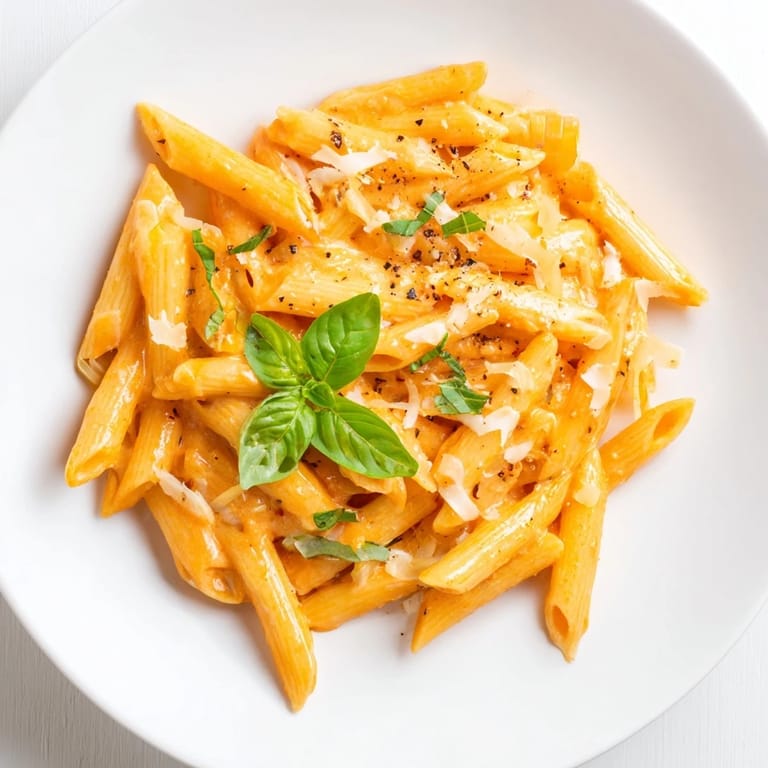
Save The first time someone who claims to hate tomato sauce asked for seconds, I knew this recipe had something special. It's the kind of food that makes you wonder why you ever buy jarred sauce or spend thirty minutes managing three separate pans.
The One-Pot Magic
One-pot cooking isn't about being lazy—it's about being smart. When the pasta releases its starch into the tomato sauce, something beautiful happens: the liquid thickens naturally, and you don't need any cream or flour to achieve that silky texture. By cooking everything together instead of combining pre-made components, all the flavors have time to mingle and grow stronger. I've made this recipe dozens of times now, and I've never had to add anything or make a fix; it just works.
Fresh Basil as the Star
The difference between dried basil and fresh basil in this dish is genuinely shocking—don't even try to substitute it. Fresh basil has a sweet, almost peppery note that dried basil simply doesn't have, and it brightens everything in a way that makes people notice. I learned this the hard way when I made it for a dinner party without fresh basil on hand and convinced myself dried would be fine. It wasn't terrible, but it was fine instead of special, and that taught me that this recipe earns its appeal through one simple ingredient used at the right moment.
Making It Your Own
This is the kind of recipe that welcomes variations without falling apart. I've added sautéed mushrooms, fresh spinach stirred in at the end, and roasted cherry tomatoes during summer when they're abundant. The base is flexible enough to handle additions, but restrained enough that you don't have to make any if you don't want to. Sometimes the best cooking is knowing when something is already complete.
- Sauté mushrooms or spinach separately and fold them in with the basil for extra nutrition and texture.
- Swap half the heavy cream for mascarpone for a tangier, more luxurious sauce.
- For a vegan version, use oat cream and nutritional yeast instead of Parmesan—the result is nearly identical in richness.
 Save
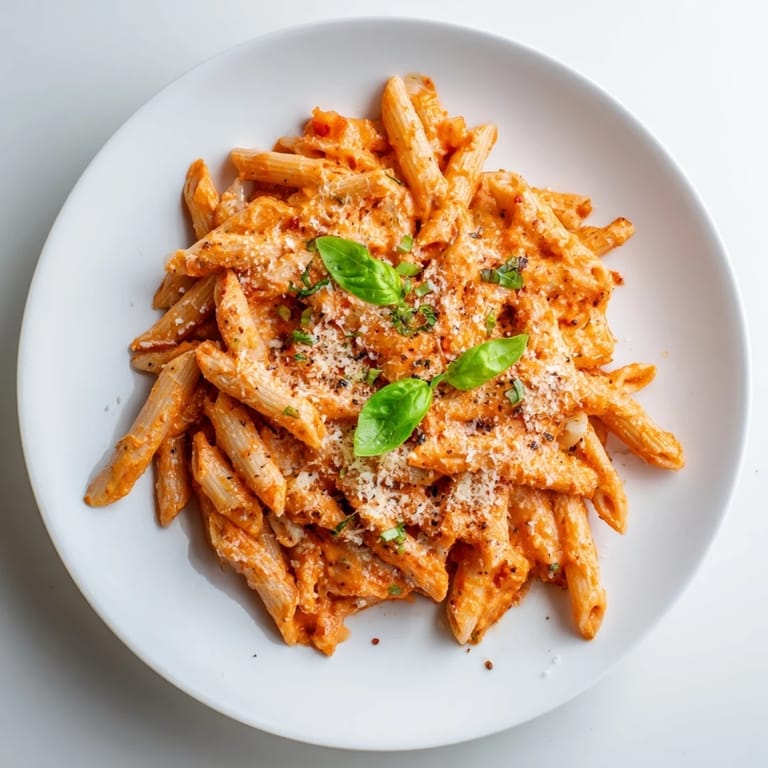
Save This is comfort food that doesn't pretend to be anything more than what it is: simple, honest, and genuinely delicious. Make it tonight, and tomorrow when someone asks what you cooked, you'll smile because you know exactly how good it was.
Recipe FAQs
- → How do I prevent the pasta from sticking in one-pot dishes?
Stir the pasta occasionally during cooking and ensure it is fully submerged in liquid to avoid sticking. Using enough water or broth helps keep the pasta moving and cooks evenly.
- → Can I substitute heavy cream with a lighter option?
Yes, you can use half-and-half or a plant-based cream alternative to reduce fat content while maintaining creamy texture.
- → What type of pasta works best for one-pot creamy tomato dishes?
Short pasta like penne or fusilli hold the sauce well and cook evenly in one-pot preparations.
- → How can I add more depth of flavor to this dish?
Sautéing garlic and onions until fragrant before adding tomatoes enhances the sauce. A pinch of red pepper flakes can add a subtle heat if desired.
- → Is it possible to make a vegan version?
Yes, substitute heavy cream with plant-based cream and Parmesan with vegan cheese alternatives for a dairy-free option.