 Save
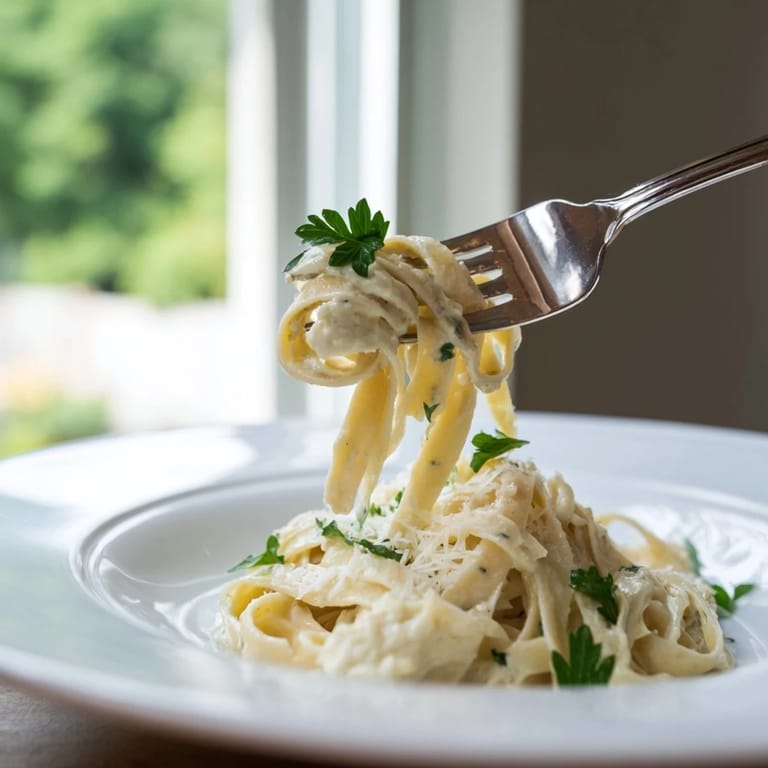
Save The first time I served this cauliflower Alfredo to my pasta-purist brother, he actually put down his fork and asked what restaurant I'd ordered from. Watching his face when I told him it was cauliflower was priceless—I've never seen someone look so betrayed yet so satisfied simultaneously. That dinner convinced me this sauce wasn't just a healthy substitute, but genuinely delicious in its own right. Now it's my go-to when I want something indulgent without the post-meal slump that comes from heavy cream sauces.
Last winter during a particularly brutal cold snap, my neighbor Sarah dropped by unexpectedly when I had a pot bubbling away on the stove. She'd been feeling under the weather and needed cheering up, so I insisted she stay for dinner. Watching her shoulders drop three inches as she took that first creamy bite reminded me why comfort food exists—it's not just about flavor, but the way something warm and nourishing can make an entire terrible day feel manageable. She asked for the recipe before she even finished her bowl.
Ingredients
- 1 medium head cauliflower: About 700g of florets forms the silky base of this sauce, so break them into similar-sized pieces for even cooking
- 3 cloves garlic: Peeled and boiled with the cauliflower, these mellow into sweet undertones rather than sharp bites
- 1 small yellow onion: Chopped roughly adds depth and natural sweetness to the sauce
- 2 tablespoons unsalted butter: This small amount bridges the gap between healthy and indulgent, adding that essential velvety finish
- 1/3 cup grated Parmesan cheese: Use vegetarian Parmesan if needed, but don't skip it—it's what makes this taste like real Alfredo
- 1/2 cup milk: Dairy or unsweetened plant-based both work beautifully to reach the perfect pourable consistency
- 350 g fettuccine or linguine: The sauce clings best to long, flat noodles though any pasta shape will technically work
- 1 teaspoon salt: Plus more to taste, because cauliflower needs proper seasoning to shine
- 1/2 teaspoon freshly ground black pepper: Freshly ground makes a noticeable difference in the final sauce
- Pinch of ground nutmeg: Optional but that tiny pinch creates the subtle warmth that elevates this from good to exceptional
- Fresh parsley, chopped: For a pop of color and fresh contrast against all that creaminess
Tired of Takeout? 🥡
Get 10 meals you can make faster than delivery arrives. Seriously.
One email. No spam. Unsubscribe anytime.
Instructions
- Boil the vegetables until fork-tender:
- Bring a large pot of salted water to boil and add cauliflower florets, garlic cloves, and chopped onion. Cook for 8-10 minutes until the cauliflower yields easily when pierced with a fork—this ensures the smoothest possible sauce.
- Blend the silky base:
- Transfer the cooked vegetables with a slotted spoon to your blender, then add butter, Parmesan, milk, salt, pepper, and nutmeg. Blend until completely smooth, adding a splash of cooking water only if needed to reach pouring consistency.
- Cook the pasta perfectly:
- In the same pot, cook pasta according to package directions until al dente. Reserve 1 cup of that starchy pasta water before draining—this liquid gold helps the sauce cling to every strand.
- Bring it all together:
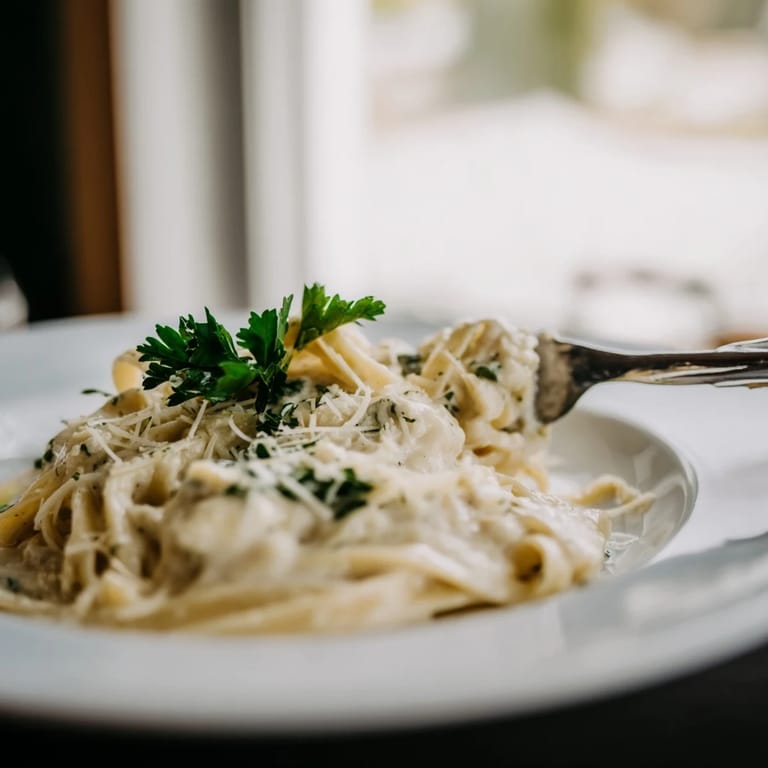
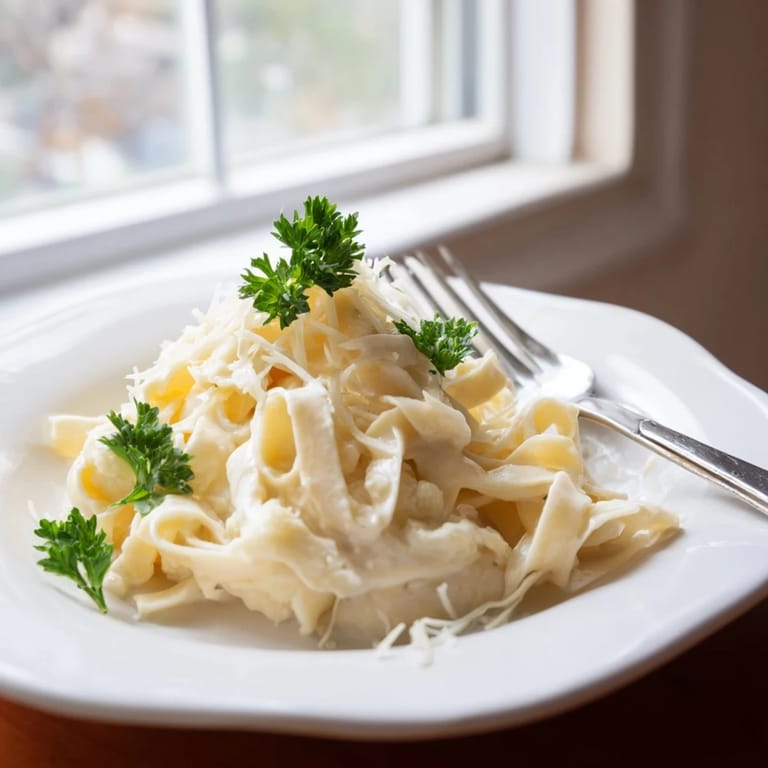
- Return the drained pasta to the warm pot and pour over that gorgeous cauliflower Alfredo sauce. Toss vigorously to coat, adding reserved pasta water as needed until the sauce reaches your preferred creaminess.
 Save
Save This recipe became my daughter's most requested birthday dinner request, which still surprises me. She's ten and at that age where vegetables are practically enemies, but something about this sauce transformed cauliflower from suspicious to celebratory in her mind. The fact that she now asks for 'special cauliflower pasta' instead of the standard boxed mac and cheese feels like a major parenting victory.
Making It Vegan
I've made this vegan countless times for dinner guests who couldn't believe they were eating something entirely plant-based. Swap the butter for your favorite vegan alternative and replace Parmesan with nutritional yeast—the sauce loses none of its luscious appeal. In fact, my vegan neighbor claims she actually prefers this version to traditional cream-based Alfredo, which I'll count as a win any day.
Adding More Substance
While this pasta is satisfying on its own, I've found that adding sautéed mushrooms or steamed broccoli right into the sauce makes it a complete meal. The vegetables absorb all that creamy goodness while adding texture and nutrition that makes the dish feel even more substantial. It's become my favorite way to stretch this recipe to feed unexpected company.
Storage and Reheating
The sauce actually develops more flavor overnight, so I often make a double batch and store the extra in an airtight container in the refrigerator for up to three days. When reheating, add a splash of milk or water because the sauce will have thickened considerably. Gently warm it over low heat while stirring—it separates slightly if heated too aggressively but comes back together with a little patience.
- Freeze the sauce without pasta for up to two months, then thaw in the refrigerator overnight
- If the sauce looks grainy after reheating, give it a quick whirl in the blender to restore silkiness
- The pasta is best cooked fresh, but leftover sauce transforms ordinary leftovers into something special
 Save
Save There's something deeply satisfying about serving a dish that feels indulgent while secretly being virtuous, and this cauliflower Alfredo hits that sweet spot every single time. Hope it becomes a regular in your dinner rotation like it has in mine.
Recipe FAQs
- → What makes the cauliflower sauce creamy?
The natural starches released from cooked cauliflower create a velvety texture when blended. Adding butter, milk, and Parmesan enhances the richness while maintaining the smooth consistency that rivals traditional cream-based sauces.
- → Can I make this vegan?
Absolutely. Replace butter with plant-based alternative, use unsweetened almond or oat milk, and substitute Parmesan with nutritional yeast or vegan cheese. The sauce remains incredibly creamy and satisfying.
- → What pasta works best with this sauce?
Fettuccine and linguine are ideal choices as their flat surfaces hold the sauce beautifully. However, penne, rigatoni, or even whole wheat and gluten-free varieties work wonderfully with this versatile cauliflower preparation.
- → How long does the sauce keep?
The blended sauce stores well in an airtight container in the refrigerator for 3-4 days. Reheat gently with a splash of milk or pasta water to restore the creamy consistency before tossing with freshly cooked pasta.
- → Can I freeze this dish?
The sauce freezes beautifully for up to 3 months. Consider freezing sauce separately from pasta for best results. Thaw overnight in the refrigerator and reheat slowly, adding liquid as needed to achieve the desired texture.
- → What vegetables can I add?
Sautéed mushrooms, steamed broccoli florets, roasted bell peppers, or fresh spinach complement the mild cauliflower base perfectly. Add them during the final toss for extra nutrition and color.