 Save
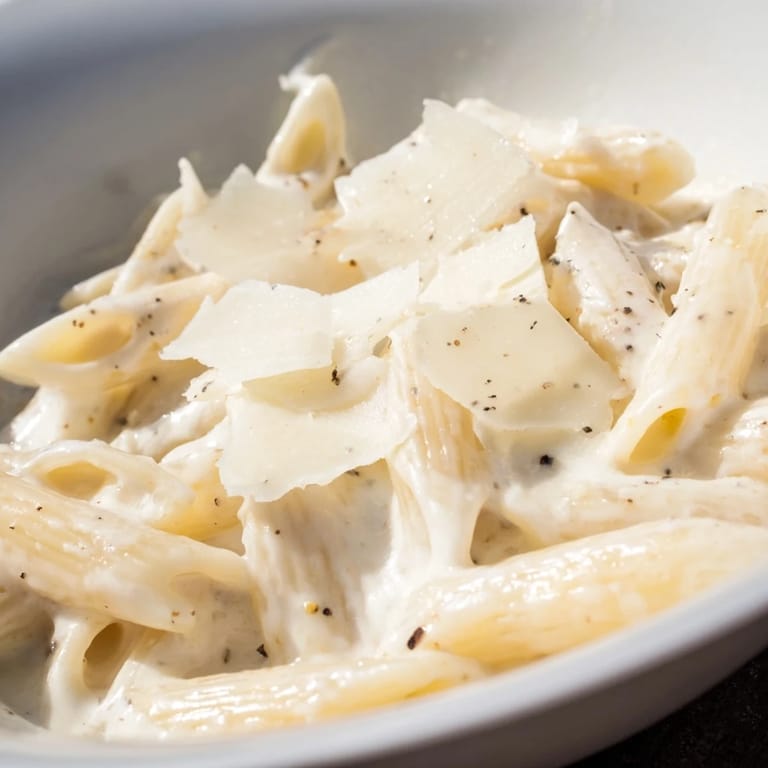
Save There's something almost magical about watching pasta cook directly in milk, the way the starch gradually transforms the liquid into pure silk. I discovered this technique on a quiet Tuesday evening when I'd forgotten to boil water separately and decided to just wing it, pouring milk into a pan with butter and garlic instead. Twenty minutes later, I had the most effortless, luxurious pasta dish I'd ever made, and I haven't looked back since. It's the kind of cooking that feels like a small act of rebellion against complexity.
My partner once asked me to cook something warm and uncomplicated after a long week, and I made this without thinking twice. She took one bite and said it tasted like someone had managed to turn coziness into food, which I think might be the best compliment I've ever received about anything I've cooked.
Ingredients
- Pasta (350 g): Penne, fusilli, or rigatoni work best because their shapes trap the sauce beautifully; avoid thin spaghetti as it can get mushy.
- Whole milk (1 liter): Use full-fat milk for the richest results, as lower fat versions won't thicken into that luxurious sauce quite as well.
- Unsalted butter (60 g): This creates the base for your sauce and carries the garlic flavor throughout the dish.
- Parmesan cheese (60 g): Grate it fresh if possible, as pre-grated versions contain anti-caking agents that can make the sauce grainy.
- Garlic cloves (2), minced: The garlic infuses the milk with subtle depth, but keep the heat moderate so it doesn't brown and turn bitter.
- Salt, black pepper, and nutmeg: A pinch of nutmeg adds warmth without announcing itself, while salt and pepper balance everything.
- Fresh parsley and extra Parmesan: These finishing touches brighten the dish and add texture when sprinkled on top.
Tired of Takeout? 🥡
Get 10 meals you can make faster than delivery arrives. Seriously.
One email. No spam. Unsubscribe anytime.
Instructions
- Melt butter and bloom the garlic:
- Set your skillet over medium heat and let the butter melt slowly, then add the minced garlic and listen for that gentle sizzle. Stir continuously for about a minute until the aroma fills your kitchen but the garlic stays pale and hasn't started to brown.
- Warm the milk gently:
- Pour in the milk and watch it carefully as it warms, stirring occasionally, until you see small bubbles forming around the edges. You want a gentle simmer, never a rolling boil, which would scald the milk and ruin the silky texture.
- Add the pasta:
- Stir in the pasta along with salt, pepper, and nutmeg if you're using it, making sure every piece gets coated and nothing sticks to the bottom. This is the moment where everything starts to come together.
- Cook and stir until creamy:
- Keep stirring frequently over the next 12 to 15 minutes as the pasta releases its starch and the milk gradually thickens into sauce. If it thickens too quickly, pour in a splash more milk to slow things down and keep adjusting until the pasta is tender and the sauce coats a spoon.
- Finish with Parmesan:
- Remove from heat and stir in the grated Parmesan until it melts completely into the sauce, creating something silky and rich. Taste it now and adjust the seasoning, trusting your instincts.
- Serve immediately:
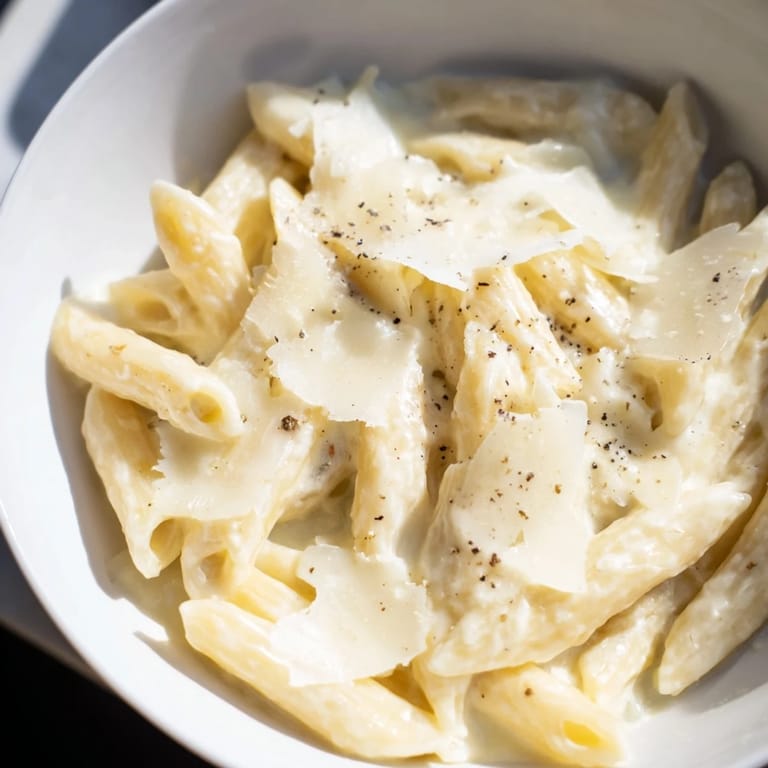
- Transfer to bowls while everything is still hot, then shower with fresh parsley and extra Parmesan so each person can customize their plate.
 Save
Save I made this for my niece when she was feeling under the weather, and the way she dove into it convinced me that sometimes the simplest dishes are the ones that actually matter. There's something deeply comforting about food that doesn't try too hard but somehow gets everything right.
The Science of One-Pot Pasta
When pasta cooks in milk instead of water, the starch it releases doesn't get drained away, which means it stays right there in the liquid and naturally thickens it into sauce. This is the same principle that chefs have relied on for centuries, except now you're doing it in your own kitchen without needing to know any fancy techniques. The butter emulsifies with the milk and starch to create something smooth and luxurious, which is why whisking constantly matters.
Variations That Work
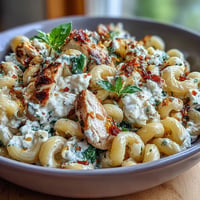
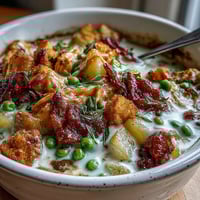
Once you understand how this dish works, it becomes a canvas for whatever you have on hand or whatever sounds good that evening. I've stirred in sautéed mushrooms, wilted spinach, cooked peas, and even bacon, and each version felt like its own complete meal. The base is so solid that additions always make sense, whether you're going for something more elaborate or keeping it pure and simple.
Serving Suggestions and Pairings
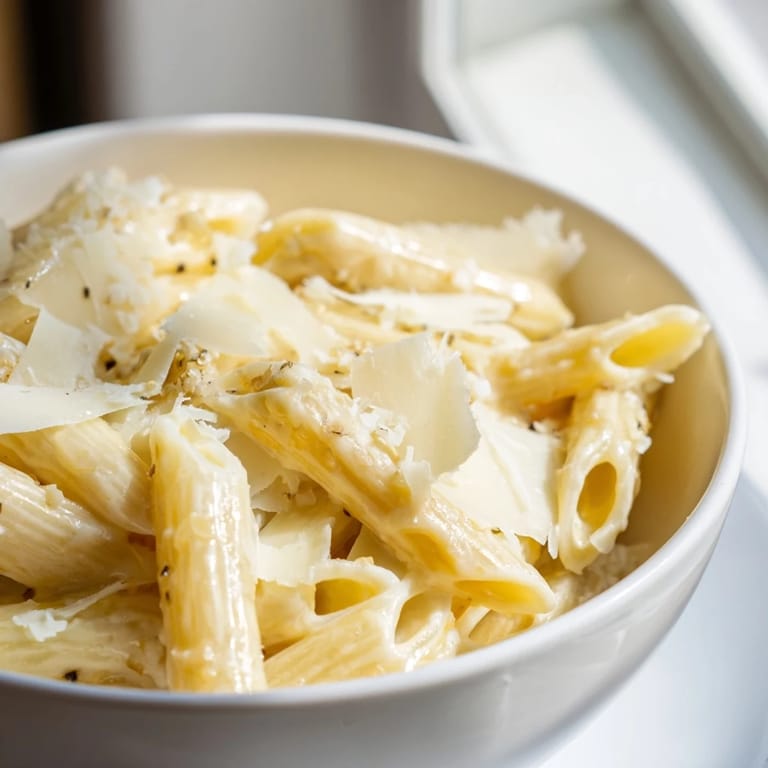
This pasta is creamy enough to stand alone as a main dish, but it also pairs beautifully with a crisp white wine like Pinot Grigio that cuts through the richness. A simple green salad on the side adds brightness, and some crusty bread for soaking up every last bit of sauce turns dinner into something memorable. Serve it family-style if you're feeding others, letting everyone add their own garnishes and extra cheese.
- Pour a glass of crisp white wine alongside, not just for drinking but to balance the richness on your palate.
- Have extra Parmesan and fresh parsley visible when you serve so guests feel invited to customize their bowls.
- Don't rush to the table; let the pasta rest in the pan for just a minute so the sauce continues to set up and coat everything evenly.
 Save
Save This is the kind of recipe that reminds you why cooking at home matters, turning a few humble ingredients into something that feels far more elegant and nourishing than the effort suggests. Once you've made it once, you'll find yourself coming back to it again and again.
Recipe FAQs
- → Can I use a different pasta shape?
Yes, short pasta works best because it absorbs the milk evenly. Penne, fusilli, rigatoni, and farfalle are all excellent choices. Avoid long pasta like spaghetti, which requires too much milk and doesn't cook uniformly.
- → What type of milk should I use?
Whole milk is ideal for creating a naturally creamy sauce with rich mouthfeel. Two-percent milk works but produces a thinner sauce. Avoid skim milk, as it lacks the fat needed for proper emulsification.
- → How do I prevent the milk from scorching?
Keep the heat at medium and bring the milk to a gentle simmer rather than a rolling boil. Stir frequently, especially once the pasta starts absorbing the liquid. If the bottom begins sticking, lower the heat immediately.
- → Can I add vegetables or proteins?
Absolutely. Sauté mushrooms, spinach, or peas before adding the pasta. For non-vegetarian versions, crispy bacon or diced ham blend beautifully with the creamy sauce. Add cooked proteins in the final minutes.
- → What makes the sauce creamy without heavy cream?
The milk's natural lactose and fat content, combined with starch from the pasta, creates a naturally emulsified, creamy sauce. Parmesan cheese adds richness and helps thicken the liquid into a silky coating.
- → Can I make this ahead?
This dish is best served immediately after cooking. If needed, store leftovers in an airtight container for up to two days. Reheat gently on the stovetop with a splash of milk to restore creaminess.