 Save
Save The first time dandelion honey made its way into my kitchen, it was on a whim after spotting a jar at the spring farmers market. As I opened it, the aroma reminded me of wildflowers after rain, and I knew it would be perfect in scones. Making these on a sunny afternoon, there was music playing quietly—nothing too serious, just a gentle hum matching the mood. My hands were dusted with flour, and I noticed the honey catching the light, golden and silky. Every step felt relaxed, the anticipation for warm scones rising with the dough.
I baked these scones for a friend on her birthday, and we laughed as the kitchen filled with their warm, buttery scent. She insisted on licking the honey off the mixing spoon while we waited, arguing it was the best part. We watched from the window as drizzle fell outside, and when the timer rang, the golden tops seemed to glow against the grey day. In that moment, afternoon tea felt like a celebration, no matter the weather. Sharing them made everything taste sweeter, especially with the cream melting into airy crumbs.
Ingredients
- All-purpose flour: Gives structure, so be sure to fluff it in the bowl before measuring for a lighter crumb.
- Granulated sugar: Just enough to balance honey's floral notes—if you like a sweeter scone, add an extra tablespoon.
- Baking powder: Guarantees lift, but double-check freshness for scones that rise beautifully.
- Fine sea salt: A pinch enhances flavors and keeps everything from tasting flat.
- Cold unsalted butter: Cube it straight from the fridge—cold butter ensures that delightful flakiness.
- Dandelion honey: Its subtle floral essence transforms the dough; mild honey works if you can't find dandelion.
- Whole milk: Makes the dough tender, and a splash on top helps the crust turn golden.
- Egg: Brings richness and helps bind everything together—room temperature eggs mix more easily.
- Dried dandelion petals (optional): For an extra floral twist, sprinkle them in with the dry ingredients.
- Clotted cream: Thick, decadent, and best chilled; it's pure luxury alongside the scones.
- Extra dandelion honey: Drizzle on just before serving for a sticky, rewarding finish.
Tired of Takeout? 🥡
Get 10 meals you can make faster than delivery arrives. Seriously.
One email. No spam. Unsubscribe anytime.
Instructions
- Prep your oven and tools:
- Turn the oven to 400°F (200°C) and line your baking sheet—parchment means easy scone removal and less cleanup.
- Mix the dry ingredients:
- In your biggest bowl, whisk flour, sugar, baking powder, salt (and petals if using); the swirls of earthy and sweet scents already hint at spring.
- Cut in the butter:
- Add cold cubes and rub them gently between your fingers, letting the texture shift from powdery to crumbly—don't rush, the mix should look like rough breadcrumbs.
- Blend wet ingredients:
- In a separate bowl, whisk honey, milk, and egg until glossy and smooth; the honey will perfume the mix, so inhale as you stir.
- Combine and shape:
- Pour the wet over the dry and stir just until a shaggy dough forms—stop as soon as it comes together to preserve tenderness.
- Pat and cut:
- Turn dough onto a floured surface and gently pat to an inch thick, feeling for soft spots before pressing out rounds with your cutter; gather scraps for a second go.
- Brush and bake:
- Arrange scones on the sheet, brush tops with milk, and slide into the oven—watch as they rise and turn golden in just under 15 minutes.
- Cool and serve:
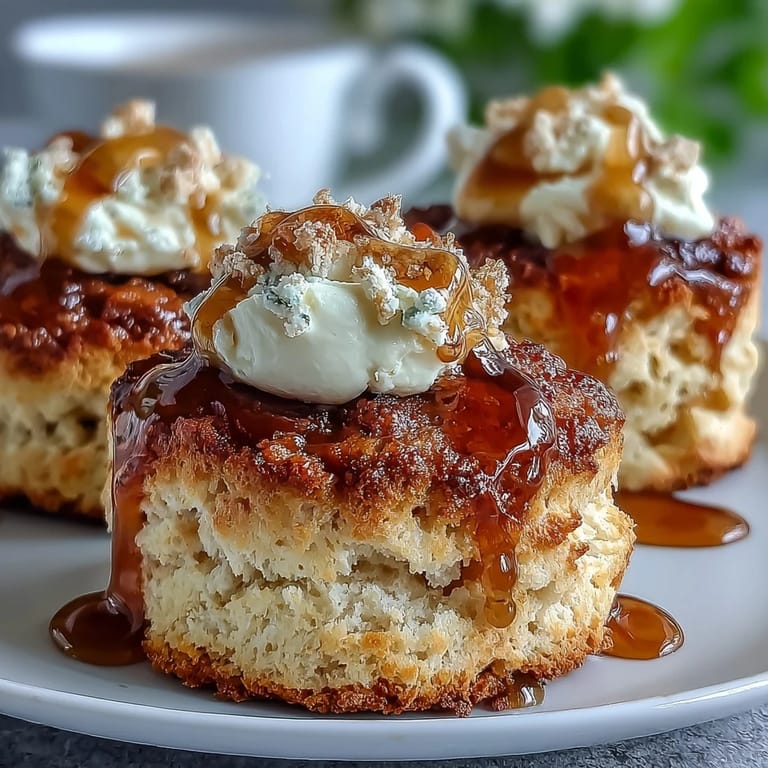
- Let scones cool briefly on the rack, then pile them on a plate, pairing each one with a spoonful of clotted cream and a drizzle of honey.
 Save
Save Serving these one spring morning, my partner smiled when he found a dandelion petal tucked inside his scone, like a little secret from nature. We agreed it made breakfast feel a bit magical, especially as we watched bees circle the window outside. It was a simple meal, but the laughter and sunlight made it extraordinary. Sometimes, the smallest touches—like honey and cream—carry more comfort than grand gestures. Those moments linger long after the plates are cleared.
How to Get Perfectly Light Scones Every Time
Resist the urge to knead; treat the dough gently and use a sharp cutter for clean edges that rise beautifully. Cold butter is your best friend, so work quickly and chill dough if your kitchen feels warm. Using parchment keeps the bottoms from browning unevenly, making for picture-perfect scones.
Ways to Customize for Different Occasions
Swap in dried lavender or lemon zest for an aromatic twist, or add a handful of currants for a classic touch. If you're hosting brunch, offer crème fraîche alongside clotted cream for variety. Scones transform easily—just a new drizzle or garnish makes them feel fresh.
Serving Tips for Afternoon Tea and Beyond
Warming scones briefly before serving intensifies their aroma and makes them extra inviting. Stacking them on a pretty plate with bowls of honey and cream nearby turns any gathering special—everyone loves assembling their own bite. Don't forget napkins, as the honey will tempt even the neatest eater.
- Let guests drizzle their own honey for a fun, hands-on treat.
- Scones keep well in a tin for up to 2 days—but rarely last that long.
- Enjoy leftovers with morning coffee or as a sweet midnight snack.
 Save
Save Each time you make these scones, consider it an invitation to slow down and savor something golden. The combination of honey, cream, and warm pastry is pure comfort, no matter the season.
Recipe FAQs
- → How does dandelion honey affect scone flavor?
Dandelion honey brings gentle floral sweetness and a unique aroma that complements buttery scones beautifully.
- → What can I use if clotted cream is unavailable?
Thick crème fraîche or mascarpone serve as excellent alternatives, offering rich texture and creamy taste.
- → Can these scones be made ahead?
Yes, they remain fresh for up to 2 days in an airtight container, though best enjoyed warm out of the oven.
- → How do I ensure tender scones?
Use cold butter and avoid overmixing the dough for a soft texture. Pat gently, and cut without pressing too hard.
- → Are there any ingredient variations?
Try adding dried dandelion petals or substitute the honey with another mild-flavored option for a twist.
- → What allergens should I consider?
Scones contain wheat, dairy, and egg. Always check labels for possible traces when serving guests with sensitivities.