 Save
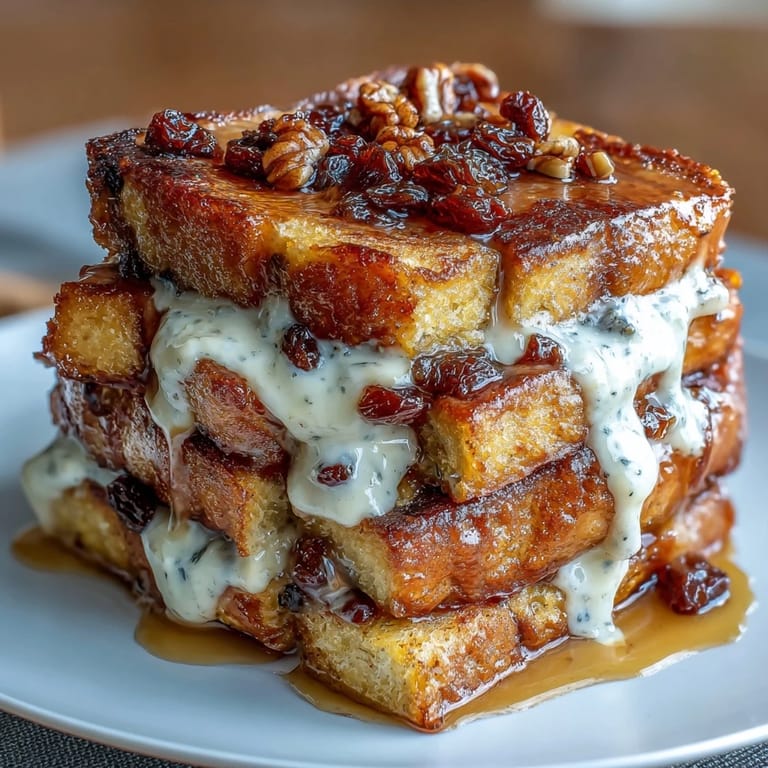
Save The smell of cinnamon and melting cheese always draws me back to capirotada, but not in the way you'd expect. The first time I tried making it, my kitchen filled with the sweet, earthy scent of piloncillo bubbling away while the bread toasted—something about those fragrant layers made it feel like autumn even though it was the middle of April. Watching the syrup thicken and darken felt almost meditative, soothing my nerves after a hectic week. I hadn’t expected a dessert could shift the mood of a whole room, but sometimes, all it takes is a pan of capirotada.
I remember making capirotada for a friend who’d never tried it before. She couldn’t believe there was cheese in a dessert, so I let her sprinkle it herself, and her delighted grin said she was a convert. That afternoon, the house buzzed with chatter, warmed by the oven and punctuated by laughter at my overenthusiastic bread slicing. When we finally pulled the pudding out, we hovered over the cooling pan, sneaking forkfuls before it had fully set. I still smile thinking about how a simple dessert connected us, cheese and all.
Ingredients
- Bread: Day-old bolillo or French bread toasts beautifully, soaking up syrup without getting soggy—if it’s fresh, let it sit uncovered a few hours.
- Piloncillo: This unrefined sugar brings a caramel depth; dark brown sugar works in a pinch, but piloncillo’s rustic flavor is special.
- Cinnamon sticks: Whole sticks infuse the syrup; break them in half for a richer aroma.
- Cloves: Three whole cloves add subtle warmth—skip ground cloves, as they can overpower.
- Unsalted butter: Melts into the syrup for a velvety finish and greases the pan so bread crisps, not sticks.
- Raisins: Plumping them in syrup softens their chew for pops of sweetness in each bite.
- Cheese: Queso fresco, Monterey Jack, or mozzarella melt gently, balancing sweet with creamy saltiness.
- Pecans/Peanuts: Toasted nuts add crunch—just scatter them sparingly to avoid overpowering the pudding.
- Butter for greasing: Not only keeps things from sticking but adds a touch of richness that makes every morsel golden.
Tired of Takeout? 🥡
Get 10 meals you can make faster than delivery arrives. Seriously.
One email. No spam. Unsubscribe anytime.
Instructions
- Prep Your Pan and Bread:
- Lightly butter your baking dish and arrange bread slices on a baking sheet. Toast them in the oven until crisp and lightly golden, flipping halfway so every piece is kissed by heat.
- Make the Piloncillo Syrup:
- In a saucepan, combine piloncillo, water, cinnamon sticks, and cloves. Simmer until the sugar dissolves and the house smells sweet and spicy, then add butter for shine and remove the spices.
- Layer It Up:
- Start with half the toasted bread in the dish, sprinkle with raisins, cheese, and nuts, drizzle over half the syrup, then repeat the layering so flavors mingle.
- Soak and Bake:
- Press the layers gently with a spatula to help the bread absorb syrup, cover with foil, and bake. Remove foil for the last stretch so the top gets glistening and golden.
- Cool and Serve:
- Let the capirotada cool for ten minutes—not easy to wait, but worth it. Serve it warm or at room temperature, ideally with chatter or coffee.
 Save
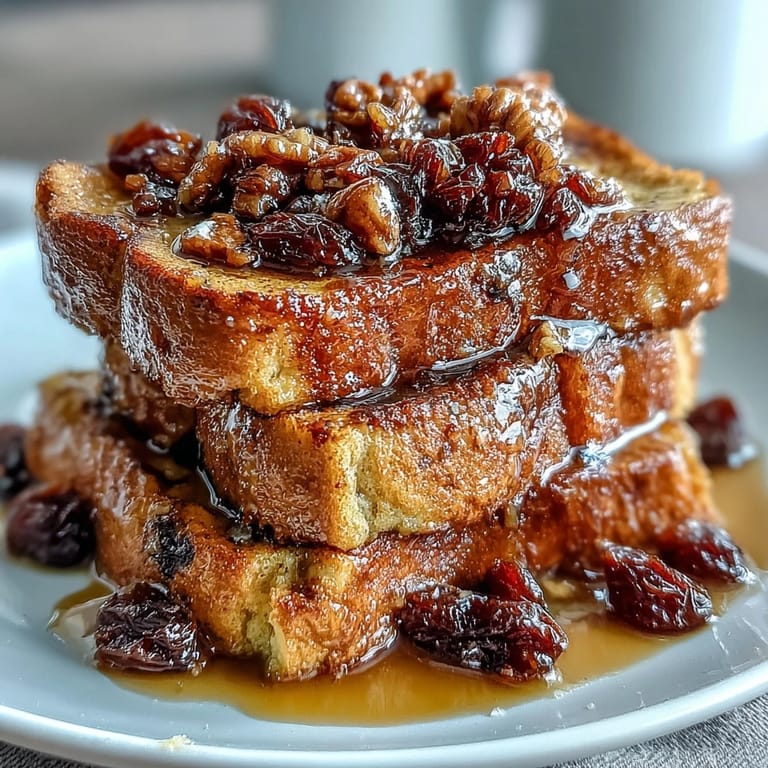
Save One evening, I brought capirotada to a potluck, uncertain how everyone would take to raisins and nuts mixed with cheese. To my surprise, the pan emptied so quickly that a neighbor pleaded for the recipe on the spot. That plate—half emptied, crumb-strewn and sticky—felt like a little badge of honor. It's funny how a dish can become the center of new tradition just by how it's shared.
Bread Pudding Secrets You’ll Want to Know
The success of capirotada lies in using bread that's dry enough to soak up all that piloncillo syrup without falling apart. If your bread is too fresh, slice it in advance and let it sit out uncovered, or even toast it in batches to get just the right texture. Even a little bit of extra toasting gives it a satisfying bite.
Make It Yours: Ingredient Swaps and Additions
Don’t be afraid to personalize capirotada. Cranberries or apricot pieces add little bursts of tartness, and swapping the cheese for Cotija gives a saltier edge. Sweetened condensed milk stirred into the syrup—just a spoonful—makes it extra decadent.
Serving Suggestions and Final Tricks
Capirotada tastes wonderful warm, but leftovers make an even better midnight snack. Pair it with hot chocolate or coffee and watch the flavors sing together. If you’re serving for a crowd, a sprinkle of chopped nuts over the top makes it look festive.
- Let the pudding cool at least 10 minutes for perfect slices.
- If you want a crispier top, broil for two minutes after baking.
- Always double the recipe if you expect guests—they’ll want seconds.
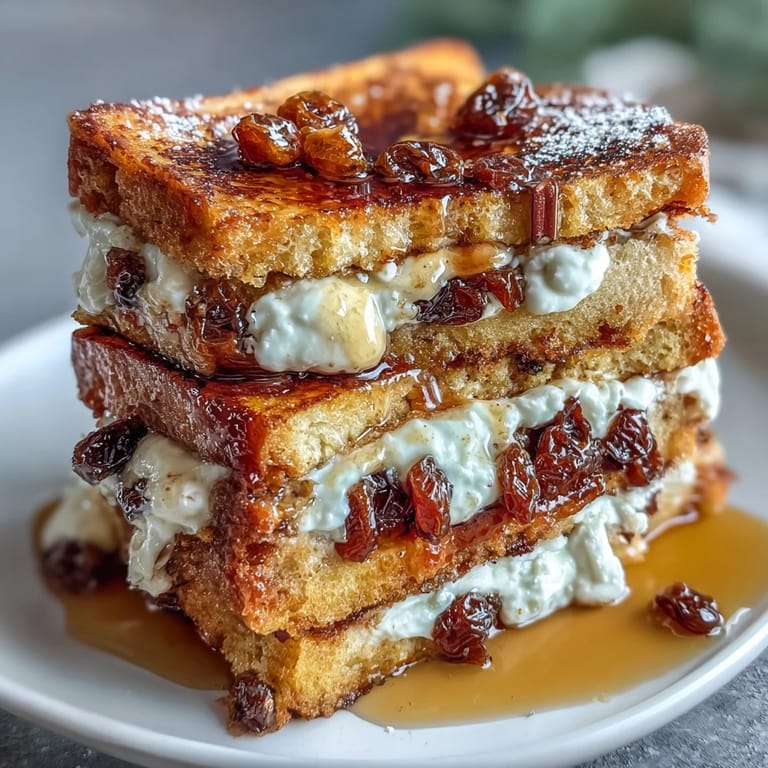 Save
Save Serving capirotada always reminds me how powerful simple ingredients can be. I hope it fills your kitchen with sweetness and good company.
Recipe FAQs
- → What is piloncillo and can I substitute it?
Piloncillo is a pure cane sugar with a deep, caramel flavor. You can substitute packed dark brown sugar if needed.
- → Can I make capirotada ahead of time?
Yes, you can prepare it ahead; just cover and refrigerate. Warm before serving for best flavor and texture.
- → Is capirotada gluten-free?
It depends on the bread used. Substitute gluten-free bread to make the dessert suitable for gluten-free diets.
- → What cheese works best for this dessert?
Queso fresco, Monterey Jack, or mozzarella melt nicely. For a salty touch, use Cotija or queso añejo.
- → What variations can I add to the dish?
Try nuts, dried cranberries, apricots, or sweetened condensed milk for deeper flavor and texture variety.
- → What is the traditional occasion for serving capirotada?
It's often enjoyed during Lent, though it's a comforting dessert suitable for any time of year.