 Save
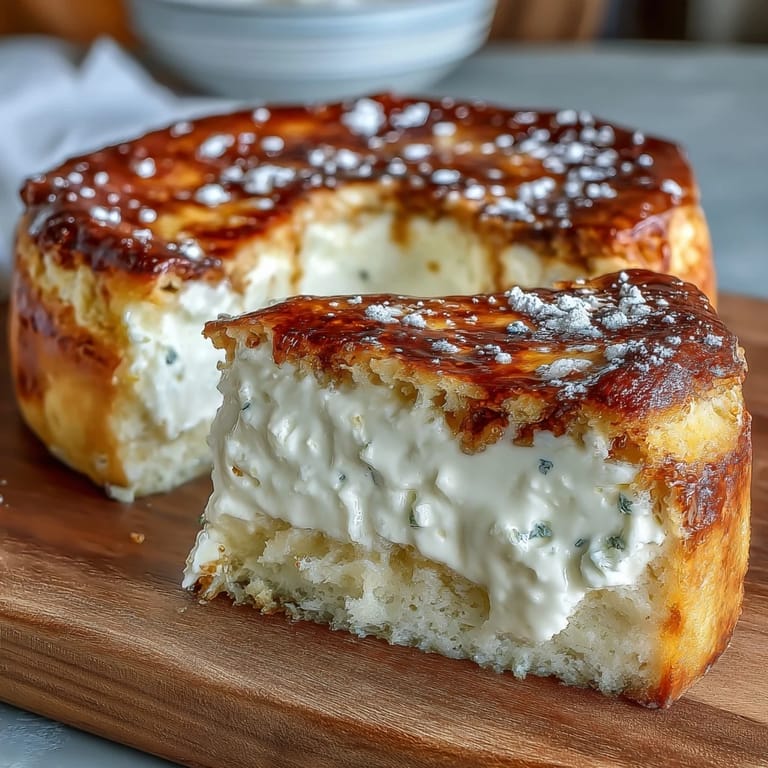
Save My nonna used to make this ricotta pie every Easter, and the kitchen would fill with this bright, almost floral lemon scent that made everyone stop what they were doing. I watched her work the pastry with those practiced hands, never measuring, just knowing when the butter was rubbed in just right. Years later, I finally asked for the recipe, and she laughed—said the secret was patience and good ricotta, nothing fancy. Now when I make it, I think about how she'd taste the filling before it went in the oven, nodding to herself like she was approving of something sacred.
I made this for my sister's baby shower one April afternoon, and everyone kept coming back for seconds even though they'd eaten lunch an hour before. The pie had cooled perfectly, and the lemon flavor had deepened somehow, become more rounded and sophisticated. My brother-in-law actually asked for the recipe, which he never does, and that's when I knew this wasn't just dessert anymore—it was the thing people would remember about that day.
Ingredients
- All-purpose flour: The foundation of a tender crust that won't crack when you slice it; measure by spooning and leveling, not scooping.
- Granulated sugar: Two different amounts keep things balanced—one for the pastry, one for the filling—so neither layer is cloying.
- Unsalted butter, cold and cubed: This is non-negotiable; warm butter won't create those flaky layers you want, so cut it cold and keep it that way.
- Eggs: Three whole eggs plus two yolks bind everything together; room temperature eggs blend more smoothly if you have time.
- Lemon zest: Use a microplane and go for the bright yellow only, never the white pith underneath, which tastes bitter.
- Whole milk ricotta cheese, well drained: Drain it in cheesecloth for an hour if it seems watery; wet ricotta makes the filling loose and fragile.
- Heavy cream: Just a splash keeps the filling luxurious without making it soup-like.
- Powdered sugar: Save this for the very end so it doesn't dissolve into the warmth of the pie.
Tired of Takeout? 🥡
Get 10 meals you can make faster than delivery arrives. Seriously.
One email. No spam. Unsubscribe anytime.
Instructions
- Build the pastry base:
- Combine your dry ingredients, then work in that cold butter with your fingertips until it looks like breadcrumbs. This friction-and-rest method is what creates flakiness, so don't rush it.
- Bring the dough together:
- Add the egg mixture and water gradually, mixing just until everything comes together into one shaggy mass. Overworking develops gluten, which makes the crust tough, so stop while you still see a few loose crumbs.
- Rest and chill:
- Wrap that disk in plastic and refrigerate for at least 30 minutes; this lets the gluten relax and the butter firm up again. I often make mine the night before and use it the next day.
- Prepare the oven and pan:
- Preheat to 350°F and grease your pan thoroughly; I use a 9-inch tart pan with a removable bottom because it makes serving so elegant.
- Roll and fit the crust:
- On a lightly floured surface, roll the dough to about 1/8-inch thickness, then gently press it into the pan, working from the center outward. Trim the overhang, prick the base with a fork to prevent bubbling, and chill for 10 minutes more.
- Prepare the ricotta filling:
- Whisk together the drained ricotta, sugar, eggs, vanilla, lemon zest, lemon juice, flour, salt, and cream until it's completely smooth with no lumps. Taste it now; the lemon should be present but not aggressive.
- Fill and bake:
- Pour the filling into the chilled crust, smooth the top gently, and slide it into the oven for 55 to 60 minutes. You want the edges to be set and lightly golden while the center has just a tiny wobble when you shake the pan—this wobble becomes firm as it cools.
- Cool with intention:
- Transfer to a wire rack and let it sit at room temperature until completely cooled, then refrigerate for at least 2 hours before slicing. This chilling step is when all the flavors settle and deepen.
- Finish and serve:
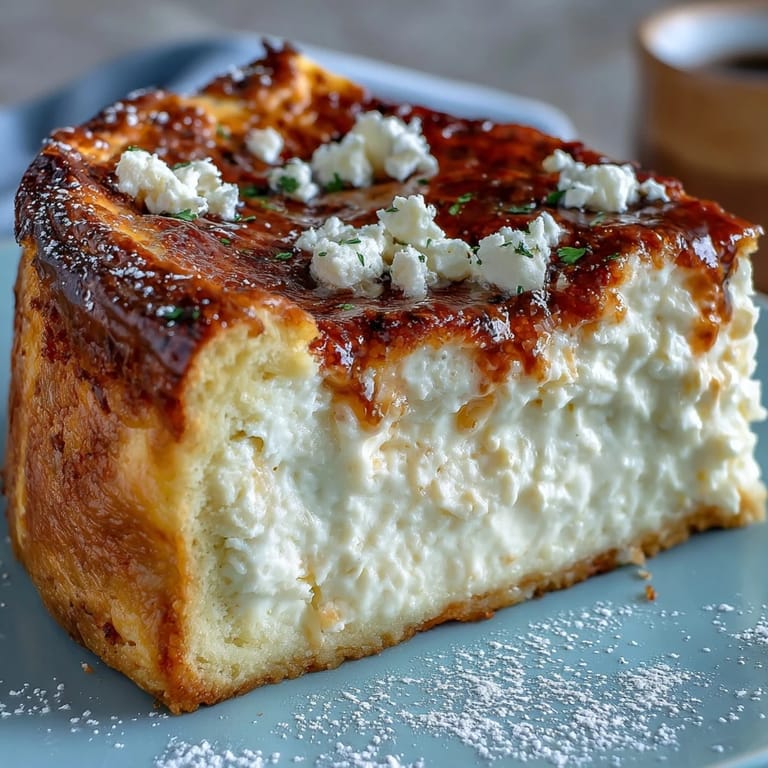
- Right before serving, dust generously with powdered sugar, letting it fall like fresh snow.
 Save
Save There's something about the moment when you dust this pie with powdered sugar and it catches the light, making everything look almost angelic. My kids once asked if it was magic that made the lemon taste so bright and the filling so smooth, and honestly, I didn't have a better answer than that.
The Lemon Magic
Fresh lemon zest is what transforms this from a simple cheese pie into something that tastes like spring arrived on a plate. I learned this the hard way by once trying to use bottled lemon extract—it was sharp and chemical-tasting, nothing like the real thing. Now I always buy lemons a day or two before I plan to bake, and I zest them right before mixing the filling so the oils are brightest and most fragrant.
Why Cold Butter Matters More Than You Think
The difference between a pie crust that shatters beautifully when you bite it and one that's dense and tough comes down to those tiny pockets of cold butter. As the butter melts during baking, it creates steam, which creates flakiness—but only if the butter is cold enough to stay separate during mixing. I keep my butter in the freezer and cube it just before I need it, sometimes even popping the cubes back in the freezer for a minute if the kitchen is warm.
Making It Your Own
This recipe is beautiful as it is, but it also welcomes your own touches once you understand how the flavors work together. One Easter I added a pinch of fresh nutmeg to the filling, and it created this warm undertone that made people pause and ask what they were tasting. The framework is solid, so you can play within it without worrying about breaking something.
- Try adding a tablespoon of orange zest alongside the lemon for complexity without losing that bright citrus character.
- Scatter fresh berries on top after dusting with powdered sugar for color and a little tartness that cuts the richness.
- If you need to go gluten-free, use a 1-to-1 gluten-free flour blend and add an extra tablespoon of cornstarch to the filling for stability.
 Save
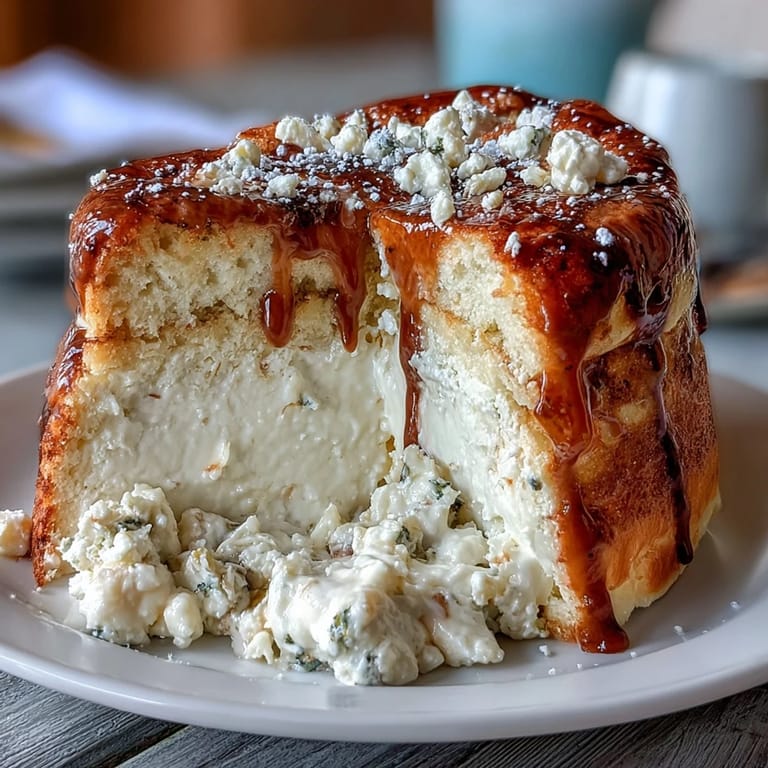
Save This pie is for those moments when you want to create something that tastes like tradition but feels entirely your own. Serve it chilled, with good coffee, and watch how people slow down when they take that first bite.
Recipe FAQs
- → What is the best type of ricotta to use?
Choose whole milk ricotta for a rich and creamy texture that holds well after baking.
- → How can I achieve a tender pastry crust?
Use cold butter and minimal water, mixing until the dough just comes together to keep the crust flaky and tender.
- → Can I substitute lemon zest with other citrus?
Yes, orange zest or a blend of citrus zests can enhance the flavor for a more pronounced brightness.
- → What indicates the filling is perfectly baked?
The filling should be set with a slight wobble in the center, ensuring a smooth and creamy texture without overbaking.
- → How long should the pie chill before serving?
Cool completely on a wire rack, then chill for at least 2 hours to allow the filling to firm up for clean slices.