 Save
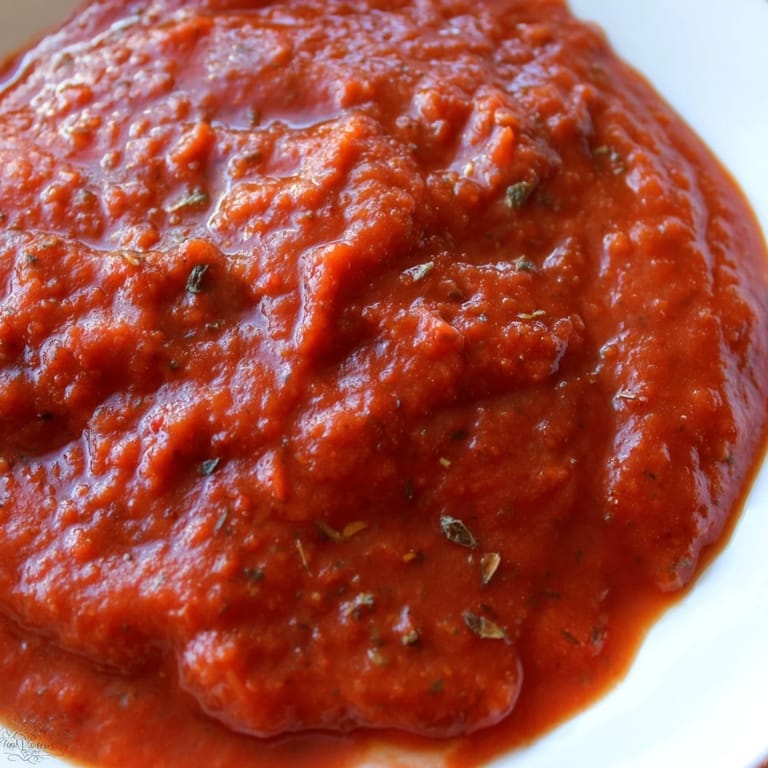
Save My neighbor stopped by one afternoon while I was testing yet another pasta sauce, and she wrinkled her nose at the pot, saying it smelled like tomato soup. That's when I realized I'd been overthinking it—what if I just let the vegetables do the heavy lifting instead of pretending herbs alone could carry the dish? The next batch started with carrots and zucchini softening in olive oil, and by the time I blended it all together, something clicked. She came back the next week asking for the recipe, and that's when I knew I'd stumbled onto something special.
I made this for a family dinner where my picky eater nephew was visiting, and he asked for seconds without a single complaint. His mom nearly dropped her fork when I casually mentioned the two cups of spinach blended right into the sauce. He didn't believe me until I showed him the empty spinach box, and then he felt oddly proud for eating something so wholesome without realizing it.
Ingredients
- Carrots (2 medium, peeled and chopped): The real MVP here—they add natural sweetness that balances the acidity of tomatoes without needing extra sugar, and they disappear completely into the sauce when blended.
- Zucchini (1 medium, chopped): This adds body and creaminess as it breaks down, making the sauce feel luxurious without heavy cream.
- Fresh spinach (2 cups, washed and roughly chopped): A sneaky source of iron and nutrients that wilts down to almost nothing but leaves behind deep flavor and nutrition.
- Onion (1 medium, chopped): The flavor foundation—don't skip the caramelization step, as it builds the sauce's savory backbone.
- Garlic (2 cloves, minced): Use fresh garlic here; the difference between fresh and powder is the difference between tasting like homemade and tasting like a jar.
- Olive oil (2 tablespoons): Good quality matters when it's one of only a few ingredients carrying the flavor.
- Crushed tomatoes (1 can, 28 oz): San Marzano varieties are worth the extra cost if you can find them, but honestly any good brand works when the vegetables are doing half the work.
- Tomato paste (2 tablespoons): This concentrate deepens the tomato flavor without watering down the sauce.
- Dried oregano (1 teaspoon): Oregano and tomato are old friends; this just reminds them why they work together.
- Dried basil (1 teaspoon): A whisper of sweetness that Italian cooking understands on a cellular level.
- Salt (1/2 teaspoon, or to taste): Taste as you go—canned tomatoes vary in saltiness, and you'll want to adjust.
- Black pepper (1/4 teaspoon): Fresh cracked is always better, but ground works fine here.
- Sugar (1/2 teaspoon, optional): Only add this if your tomatoes taste sharp; good tomatoes don't need it.
- Parmesan cheese (1/4 cup grated, optional): Stir it in after blending for a subtle richness, or skip it if you prefer the pure vegetable flavor.
- Fresh basil (for garnish, optional): The color and aroma of fresh basil remind people this came from a real kitchen, not a can.
Tired of Takeout? 🥡
Get 10 meals you can make faster than delivery arrives. Seriously.
One email. No spam. Unsubscribe anytime.
Instructions
- Build your flavor base:
- Heat olive oil in a large saucepan over medium heat, then add your chopped onion and minced garlic. You'll know they're ready when the onion turns translucent and the whole kitchen smells like comfort food, usually around three minutes.
- Soften the hidden vegetables:
- Stir in the carrots and zucchini, cooking for five to seven minutes while stirring occasionally. They should start to lose their firmness but still hold their shape—this is when you can steal a taste and know you're on the right track.
- Wilt the spinach:
- Add the spinach and let it cook down for about two minutes, stirring until it's completely dark and tender. It shrinks dramatically, which is oddly satisfying to watch.
- Bring in the tomatoes:
- Add your crushed tomatoes and tomato paste, stirring everything together until the sauce looks unified and rich. This is the moment it starts looking like actual sauce instead of chopped vegetables in liquid.
- Season and simmer:
- Sprinkle in the oregano, basil, salt, pepper, and sugar if using, then bring the sauce to a gentle simmer. Cover it and let it bubble quietly on low heat for twenty minutes, stirring now and then, until all the vegetables are so tender they practically fall apart.
- Puree until smooth:
- Remove from heat and let it cool for just a minute—it'll be steaming but manageable. Using an immersion blender, puree the sauce right in the pot until it's completely smooth, or work in batches with a countertop blender if that's what you have.
- Taste and finish:
- Return the sauce to low heat if it's cooled too much, then taste it and adjust the seasoning to your preference. Stir in Parmesan if you like, then serve it hot over your favorite pasta and garnish with fresh basil.
 Save
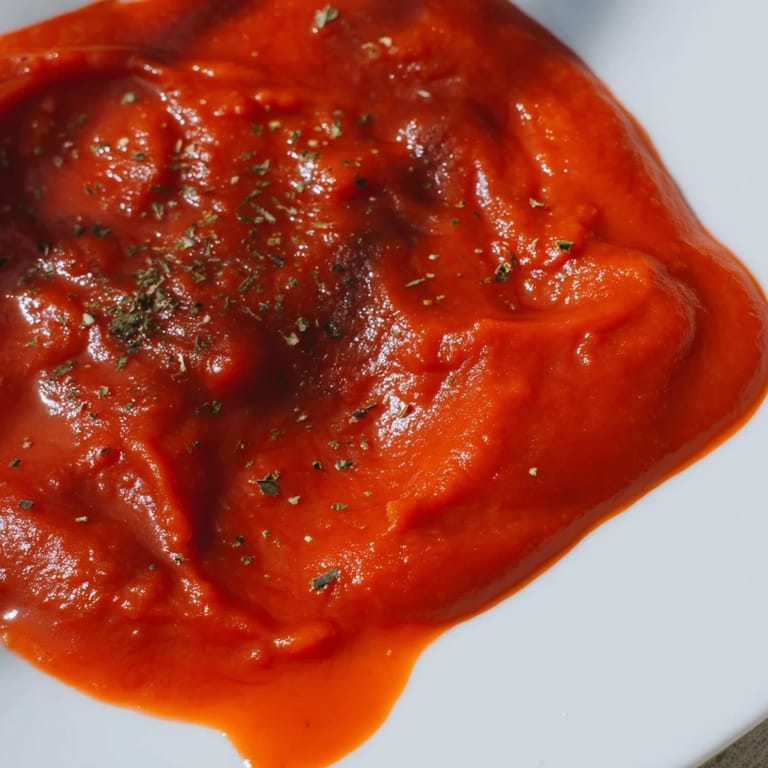
Save There's something magical about blending vegetables so thoroughly that they vanish, becoming pure flavor instead of texture. My partner took a bite and said it tasted like the best tomato sauce he'd ever had, and when I told him about the hidden vegetables, he laughed and said that was basically cheating—in the best way possible.
Why This Sauce Changed My Cooking
For years I thought you needed to choose between nutrition and flavor, but this sauce proved me wrong in the best way. It taught me that pureed vegetables aren't a compromise—they're an upgrade, adding complexity and natural sweetness while staying completely invisible to picky eaters. Once I understood that, I started seeing vegetables differently in the kitchen, not as things to hide but as ingredients that actually improve dishes.
The Blending Method Matters More Than You Think
An immersion blender is genuinely life-changing here because you can puree everything right in the pot without any transferring or cleanup, but a regular blender works perfectly fine too—just do it in batches and be careful with the heat. The goal is total smoothness, where you can't detect any vegetable pieces at all; that's when the sauce stops being vegetable-based and becomes a whole new thing. Some people prefer a slightly chunkier texture, and honestly, that works too, but the magic really happens when you go full smooth.
Make It Your Own and Keep It Simple
This recipe is flexible enough to adapt to whatever you have in your vegetable drawer, and I've successfully made it with bell peppers, mushrooms, and even leftover roasted vegetables from dinner the night before. The tomato base is strong enough to support gentle changes, and the blending step means imperfect vegetables become perfect sauce. Here are a few more ways to think about it:
- Add a splash of heavy cream or a tablespoon of butter after blending if you want a creamier, more luxurious sauce.
- Freeze leftovers in portions for up to three months, and you'll have a healthy sauce ready for rushed weeknights.
- For a vegan version, simply skip the Parmesan or use a plant-based alternative and you've got something everyone can eat.
 Save
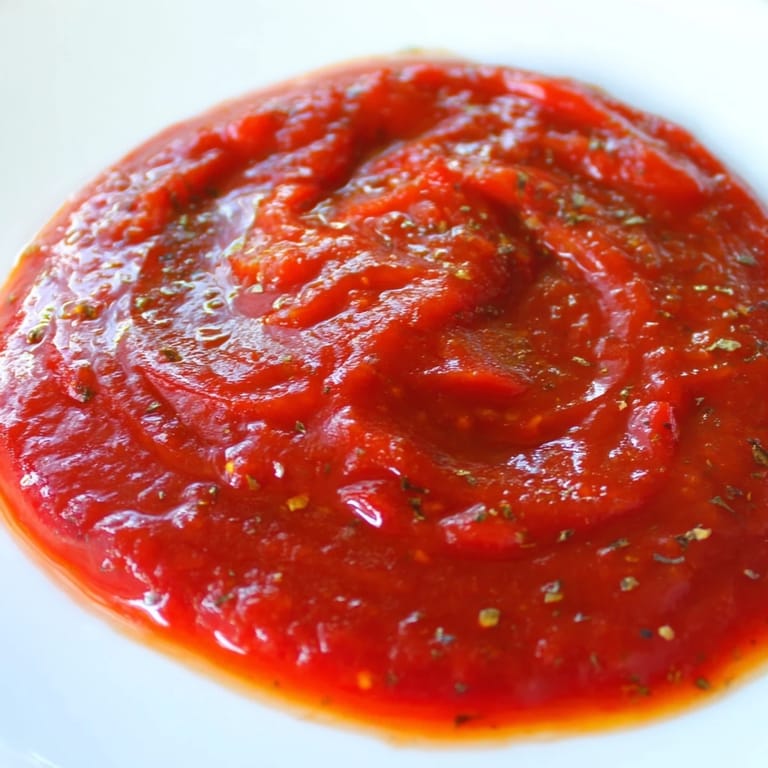
Save This sauce tastes even better the next day after the flavors have had time to get to know each other, so making it ahead is never a bad call. Serve it over whatever pasta you love, and watch people enjoy something that's sneakily wholesome and genuinely delicious.
Recipe FAQs
- → Can I make this sauce ahead of time?
Yes, this sauce actually improves with time as flavors meld. Prepare it up to 3 days ahead and refrigerate, or freeze in portioned containers for up to 3 months. Simply reheat gently before serving.
- → How do I achieve a smooth texture?
An immersion blender works best—blend directly in the pot until your desired smoothness. For a completely silky sauce, transfer to a countertop blender in batches, then return to the pot.
- → What pasta works best with this sauce?
Any pasta shape works, though penne and rigatoni hold the sauce beautifully in their ridges. For gluten-free diets, ensure your pasta is certified gluten-free, as the sauce itself contains no gluten.
- → Can I adjust the vegetable ratio?
Absolutely. Increase or decrease vegetables based on preference. Other vegetables like mushrooms, bell peppers, or celery blend well. Maintain roughly 3 cups total vegetables for best consistency.
- → How do I balance the tomato acidity?
The optional sugar helps neutralize acidity. Start with 1/2 teaspoon and taste. Adding butter or cream after blending also rounds the flavor and adds richness without sharpness.
- → Is this suitable for meal prep?
Perfect for meal prep. Cool completely before transferring to airtight containers. Refrigerate for up to 4 days or freeze for 3 months. Thaw overnight in the refrigerator before reheating.