 Save
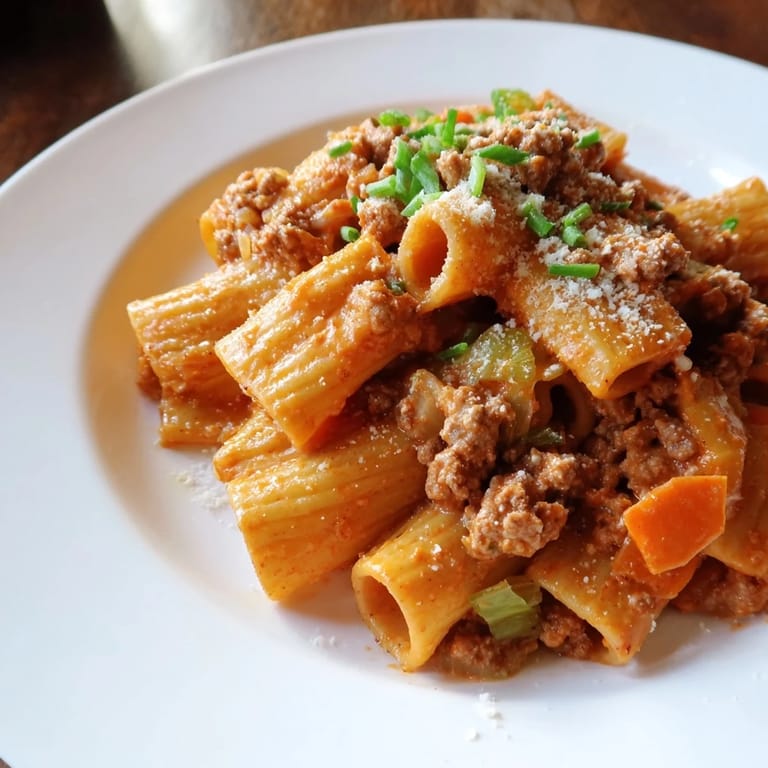
Save I stumbled onto this recipe during a late-night fridge raid when I had leftover kimchi and a craving for something rich. The idea sounded wild at first, mixing tangy fermented cabbage with tomato-based ragu, but that first bite silenced every doubt. The heat from the kimchi, the creaminess of the sauce, and the way the pasta soaked it all up felt like discovering a secret handshake between two cuisines.
The first time I made this for friends, they looked skeptical when I mentioned kimchi going into the pot. But as the kitchen filled with the smell of browning pork, garlic, and that unmistakable fermented tang, curiosity replaced their doubt. By the time I tossed the pasta in, they were hovering over the stove with forks ready.
Ingredients
- Ground pork: It has just enough fat to keep the sauce rich and glossy, but you can swap in beef or go half and half if you want a deeper flavor.
- Onion, carrot, and celery: This classic trio builds the backbone of any good ragu, adding sweetness and body that balances the kimchis sharpness.
- Garlic: Freshly minced garlic blooms in the oil and ties the Italian and Korean elements together with its warm, aromatic punch.
- Napa cabbage kimchi: Choose a well-fermented batch for maximum tang, and dont skip the juice—it carries concentrated umami that transforms the sauce.
- Crushed tomatoes: They bring acidity and a smooth base that mellows the kimchis heat without drowning it out.
- Heavy cream: A splash at the end turns the sauce luxurious and silky, softening the spice just enough to keep you reaching for another bite.
- Soy sauce: It deepens the savory notes and bridges the flavor gap between the two cuisines seamlessly.
- Gochugaru: Korean chili flakes add a gentle warmth and subtle smokiness, but you can skip them if your kimchi is already fiery.
- Rigatoni or penne: Tubular shapes grab onto the chunky sauce beautifully, making every forkful complete.
- Scallions and Parmesan: Fresh scallions add a bright finish, while Parmesan lends a salty, nutty richness that surprisingly complements the kimchi.
Tired of Takeout? 🥡
Get 10 meals you can make faster than delivery arrives. Seriously.
One email. No spam. Unsubscribe anytime.
Instructions
- Build the base:
- Heat olive oil in a large skillet over medium-high heat and toss in the onion, carrot, and celery. Let them sizzle and soften for about 5 minutes, stirring occasionally, until they smell sweet and look translucent.
- Wake up the garlic:
- Add the minced garlic and stir for just a minute, letting it bloom without burning. Youll know its ready when the aroma fills the kitchen.
- Brown the meat:
- Add the ground pork and break it up with a wooden spoon, cooking until its no longer pink and starting to brown in spots, about 6 to 7 minutes. This step adds a layer of savory depth you cant skip.
- Stir in the kimchi:
- Toss in the chopped kimchi and its juice, stirring everything together. Let it cook for 3 to 4 minutes so the kimchi softens and mingles with the meat and vegetables.
- Simmer the sauce:
- Pour in the crushed tomatoes, soy sauce, gochugaru, sugar, and a pinch of salt and pepper. Let it bubble gently, uncovered, for 15 to 20 minutes, stirring now and then until the sauce thickens and the flavors marry.
- Cook the pasta:
- While the sauce simmers, boil your pasta in salted water until al dente. Drain it, but save about 100 ml of the starchy pasta water before you dump the rest.
- Make it creamy:
- Turn the heat under the ragu to low and stir in the heavy cream and half the reserved pasta water. Mix gently until the sauce looks smooth and silky, then taste and adjust the seasoning if needed.
- Toss it all together:
- Add the drained pasta directly into the skillet with the ragu. Toss everything together, adding more pasta water a splash at a time if the sauce needs loosening.
- Finish and serve:
- Plate the pasta hot, scattering scallions and grated Parmesan over the top. Serve immediately while the sauce clings to every piece.
 Save
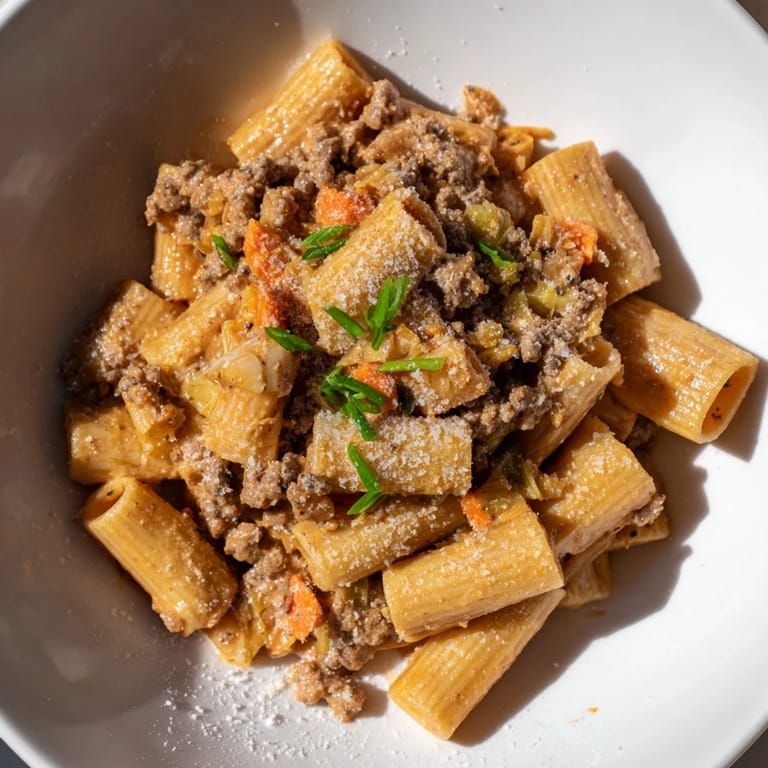
Save The moment I watched someone take their first bite, eyes widening in surprise before breaking into a grin, I knew this dish had earned its place in my rotation. It wasnt just the flavors—it was the way it sparked conversation, turned dinner into an experience, and left everyone scraping their plates clean.
How to Choose the Right Kimchi
Not all kimchi is created equal, and the one you pick makes a real difference here. Look for well-fermented Napa cabbage kimchi with a strong tang and plenty of juice in the jar. Avoid overly fresh kimchi—it wont have the depth you need. If youre buying from a Korean market, ask for kimchi thats at least a few weeks old.
Making It Your Own
This recipe is flexible enough to bend with your pantry and preferences. Swap the pork for ground turkey if you want something leaner, or go full vegetarian with plant-based crumbles. Coconut cream works beautifully in place of heavy cream, adding a subtle sweetness that plays nicely with the spice. If you cant find gochugaru, a pinch of red pepper flakes will do the job, though youll miss some of that smoky complexity.
Serving and Storing
This pasta is best served immediately when the sauce is still glossy and clinging to the noodles. If youre making it ahead, store the ragu and pasta separately in airtight containers in the fridge for up to 3 days. Reheat the sauce gently on the stove, adding a splash of water or cream to bring it back to life, then toss with freshly warmed pasta.
- Pair it with a simple green salad dressed in lemon and olive oil to cut through the richness.
- A chilled glass of Lambrusco or fruity Riesling balances the heat and acidity beautifully.
- Garnish with extra kimchi on the side for anyone who wants an extra punch of flavor.
 Save
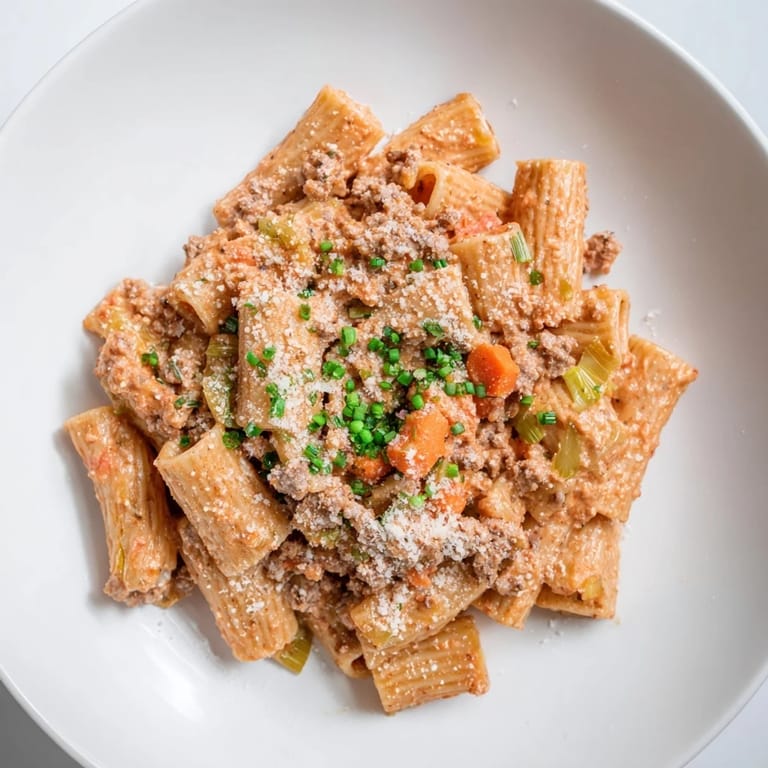
Save This dish taught me that the best recipes come from trusting your instincts and mixing things that shouldnt work on paper but somehow do on the plate. I hope it brings as much joy to your table as it has to mine.