 Save
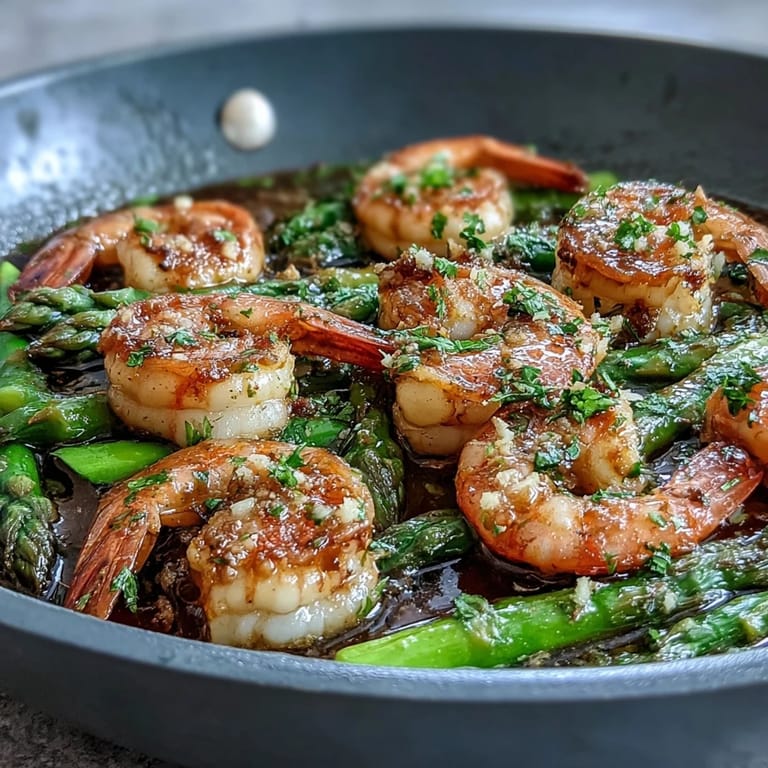
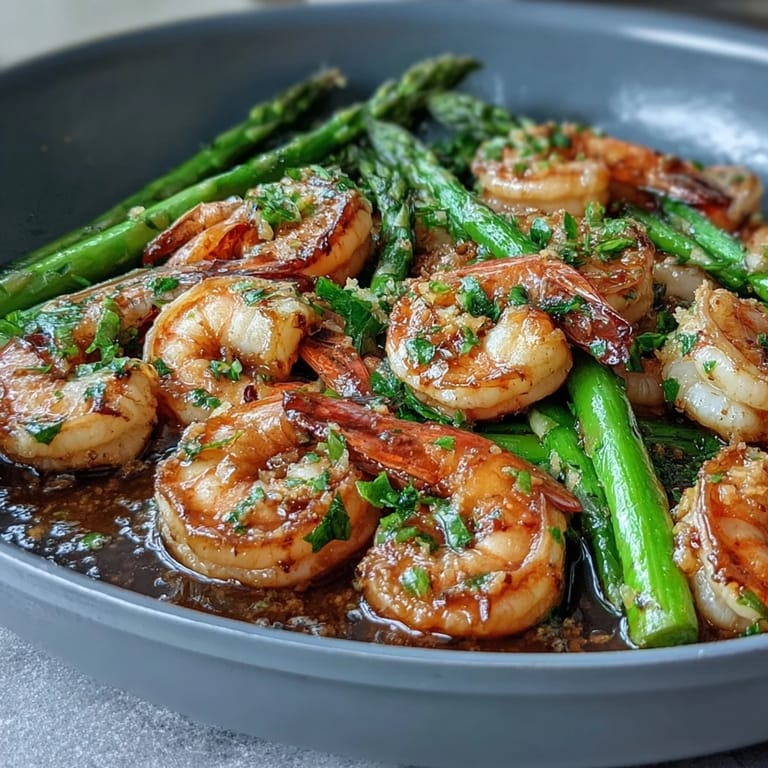
Save There's something about the sizzle of shrimp hitting a hot pan that makes you feel like you're actually cooking something impressive, even on a Tuesday night when you've got fifteen minutes before everyone's hungry. I stumbled onto this lemon-garlic combination completely by accident, really—I had asparagus going soft in the crisper, a pound of shrimp that needed rescuing, and the stubborn belief that dinner didn't have to be complicated. One sheet pan later, I had something bright, protein-packed, and so easy I've made it probably a hundred times since.
I made this for my sister last spring when she was stressed about her new job, and she literally texted me the next day asking if I could write down the recipe because she'd already made it three times. That's when I realized it wasn't just easy—it was the kind of meal people actually want to eat again, not the kind they politely finish and forget about. Watching her perk up over something so simple and fresh reminded me why I keep coming back to recipes like this one.
Ingredients
- Large shrimp (1 lb): Buy them frozen and thaw ahead if you can, since they cook so fast that even a minute of thawing in cold water makes a texture difference you'll actually taste.
- Asparagus (1 lb): Trim the woody ends by snapping them where they naturally want to break rather than cutting—your knife will thank you and the spears will be the perfect tender-crisp.
- Garlic (3 cloves): Mince it fresh right before cooking since garlic powder tastes completely different and honestly kind of flat when you're building something this fresh and bright.
- Fresh lemon: The zest matters as much as the juice here—that's where the flavor really hides, so don't skip it or use bottled juice.
- Olive oil (2 tbsp): Good quality here makes a noticeable difference since there's nothing hiding the oil, and it's honestly the backbone of the whole dish.
- Sea salt and black pepper: Season generously because shrimp needs it, and the asparagus absorbs flavoring beautifully.
- Red pepper flakes (¼ tsp, optional): I leave these out sometimes when I'm cooking for my mom, but they add a little warmth that makes people pause and say what is that.
- Fresh parsley (2 tbsp): Chop it right before serving so it stays bright green instead of turning dark and sad.
Tired of Takeout? 🥡
Get 10 meals you can make faster than delivery arrives. Seriously.
One email. No spam. Unsubscribe anytime.
Instructions
- Get your oven ready:
- Preheat to 400°F while you prep everything else, because a hot sheet pan is what gives the shrimp that slightly caramelized edge that makes them taste restaurant-quality.
- Toss everything together:
- Pile the shrimp and asparagus on your baking sheet, scatter the minced garlic over top, then drizzle with olive oil and lemon zest. Toss it all together with your hands until everything's coated—this is where you actually touch the food and make sure nothing's hiding under anything else.
- Spread it into a single layer:
- This matters more than it sounds because shrimp and asparagus both need direct heat contact to cook properly, and piling everything on top of itself just steams them instead.
- Roast until done:
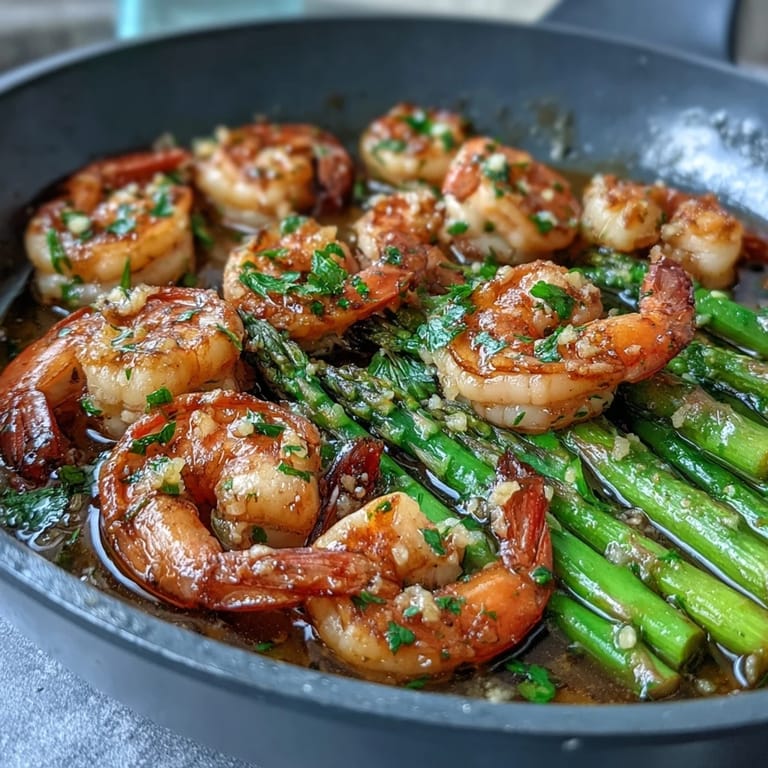
- Eight to ten minutes is usually the sweet spot—you're looking for shrimp that's turned from gray to that bright pink-orange color, which means they're cooked through but still tender. The asparagus should have a little give when you poke it but still taste like asparagus, not mushy green mush.
- Finish with brightness:
- The second you pull it out of the oven, squeeze that fresh lemon juice all over everything and scatter the chopped parsley on top like you actually care about how it looks. You do care, because the brightness of that lemon juice hitting hot shrimp is literally the magic moment.
 Save
Save My neighbor smelled this cooking through her open window and just showed up at my door asking what on earth I was making, which pretty much sums up the appeal of this dish. There's something about lemon, garlic, and shrimp together that smells so good people can't help themselves, and somehow that makes the actual eating of it feel even better.
Variations That Still Work
I've swapped asparagus for green beans, broccoli, and even thin-sliced zucchini depending on what I had and what the season suggested, and honestly every single version tastes bright and satisfying. The lemon-garlic sauce is flexible enough to carry whatever vegetable you choose, which means this recipe works year-round without feeling repetitive. The shrimp is really the star here, so as long as you keep that part consistent, you can play around with the rest.
Serving and Pairing Ideas
This dish is excellent eaten completely on its own if you want to keep it low-carb and simple, but I usually toss it over cauliflower rice for my weeknight meals or quinoa when I want something heartier. Brown rice works too, and honestly, the starch soaks up all those pan juices in a way that makes the whole plate feel more complete. Sometimes I'll wrap it in a lettuce leaf or serve it alongside a grain and call it dinner without thinking twice.
Storage and Reheating
Leftovers keep in the refrigerator for two to three days in an airtight container, though I'll be honest that shrimp is always best eaten the day you cook it since the texture changes once it's been cold. You can reheat gently in a low oven or just eat it cold right from the fridge on a salad if you're looking for lunch the next day. The lemon flavor actually gets brighter as it sits, so don't be surprised if day-two tastes better than you expected.
- Store in an airtight container on a shelf in the fridge, not pressed against other foods that might absorb the lemon smell.
- If you're meal prepping, keep the lemon juice separate and add it fresh right before eating to preserve that brightness.
- This isn't a freezer-friendly dish since shrimp texture suffers once frozen a second time, so just plan to eat it within a couple days.
 Save
Save This recipe lives in my regular rotation because it proves that food doesn't have to be complicated to feel special, and honestly that's a lesson that extends way beyond cooking. Every time I make it, I remember why I fell in love with cooking in the first place—not for perfection, but for that moment when something hot and bright and fresh comes together in your kitchen.
Recipe FAQs
- → What is the best way to cook shrimp for this dish?
Roasting shrimp at 400°F (200°C) for 8–10 minutes ensures they’re juicy and tender without overcooking.
- → Can I substitute the asparagus with other vegetables?
Yes, green beans or broccoli work well as alternatives while maintaining a similar texture and flavor balance.
- → How do I keep the shrimp from sticking to the pan?
Toss shrimp and vegetables thoroughly with olive oil before roasting to prevent sticking and enhance browning.
- → Is it possible to add extra flavor without dairy?
Adding grated Parmesan cheese is optional, but for dairy-free, fresh herbs like parsley and a squeeze of lemon brighten flavors nicely.
- → What can I serve alongside this dish for a heartier meal?
Cooked quinoa, brown rice, or cauliflower rice make excellent, wholesome accompaniments.