 Save
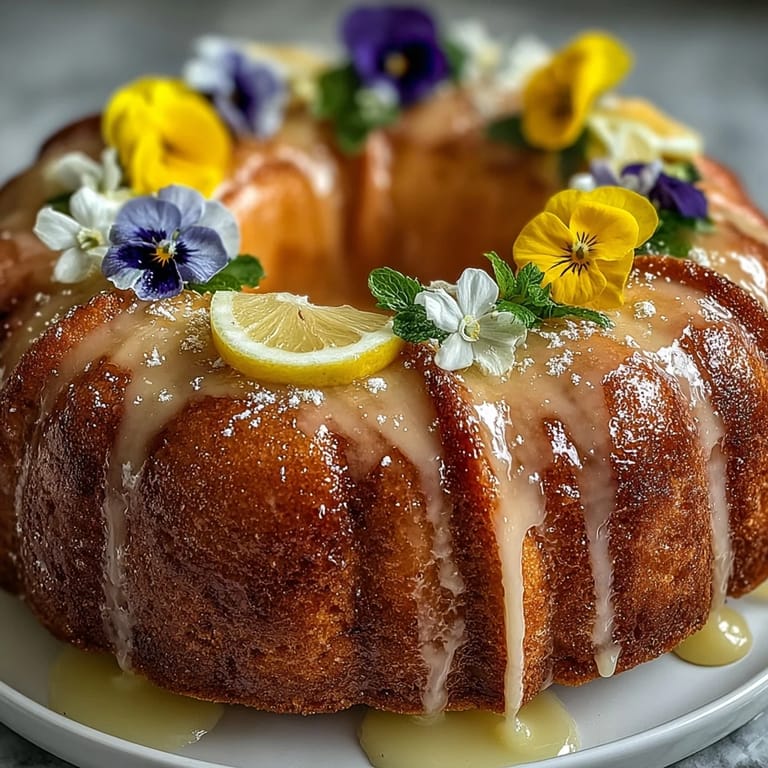
Save There's something about baking a lemon cake that turns an ordinary morning into something quietly special. My mum always said the smell of citrus and butter in the oven was better than any perfume, and I finally understood what she meant when I made this for the first time on a rainy April afternoon. The kitchen filled with this bright, almost cheerful aroma that seemed to chase away the grey weather outside. That's when I knew this cake belonged in the Mother's Day rotation—it felt like giving someone sunshine in edible form.
I'll never forget watching my sister's face when she walked into the kitchen and saw this cake waiting for her. She'd been having a rough week, and there it was on the table with those delicate purple violas scattered across the top like someone had been thoughtful enough to make her feel seen. She didn't eat it right away—she just looked at it for a moment, and that's when I knew baking wasn't really about the cake.
Ingredients
- 225 g unsalted butter, softened: Room temperature butter creams properly and traps air, which is what makes this cake light rather than dense.
- 225 g caster sugar: Finer than regular sugar, it dissolves faster and helps achieve that pale, fluffy texture you're after.
- 4 large eggs: They need to be at room temperature too, or they'll fight the butter instead of blending with it.
- 225 g self-raising flour: This already has leavening built in, so you don't need to fuss with baking powder separately.
- Zest of 2 unwaxed lemons: Unwaxed lemons matter here because you're using the skin—wash them well first.
- 2 tbsp whole milk: Just enough to loosen the batter without making it wet, keeps everything tender.
- Pinch of salt: Balances the sweetness and makes the lemon flavour pop more than you'd expect.
- Juice of 2 lemons: Fresh juice only, not the bottled stuff that tastes faintly of plastic.
- 125 g icing sugar: This dissolves into the lemon juice to create that glossy, soakable drizzle.
- Assorted edible flowers: Violas, pansies, and nasturtiums work beautifully, but check they're specifically grown for eating.
Tired of Takeout? 🥡
Get 10 meals you can make faster than delivery arrives. Seriously.
One email. No spam. Unsubscribe anytime.
Instructions
- Prepare your space:
- Preheat the oven to 180°C (160°C fan) and line a 900g loaf tin with parchment paper so nothing sticks. This five-minute head start means your batter won't sit around getting heavy while you wait.
- Cream the butter and sugar:
- Beat them together until pale and fluffy, about three to four minutes with an electric mixer or five with a wooden spoon and determination. You'll see the mixture transform from dense to cloud-like, which is exactly what you want.
- Add eggs one at a time:
- Drop in an egg, mix until it disappears, then repeat with the next one. This gradual approach keeps the batter emulsified instead of letting it look curdled and separated.
- Fold in the dry ingredients:
- Mix the flour, lemon zest, milk, and salt together gently until just combined—about ten to fifteen turns of the spatula. Overmixing develops gluten and makes the cake tough, which defeats the whole purpose.
- Transfer to the tin:
- Pour the batter in and smooth the top with a spatula so it bakes evenly. A lumpy top means uneven rising and some dry bits.
- Bake until golden:
- Forty to forty-five minutes, until a skewer poked in the center comes out clean with maybe one tiny crumb clinging to it. The top should be pale golden and smell like someone opened a lemon grove in your house.
- Make the drizzle while it bakes:
- Mix lemon juice and icing sugar in a small bowl until smooth, breaking up any lumps with the back of a spoon. Let it sit for a minute so it reaches the right consistency—pourable but not thin.
- Poke and drizzle while warm:
- Once the cake comes out, use a skewer to poke holes all over the top while it's still in the tin and warm. Slowly pour the drizzle over, letting it soak in—this is the magic that keeps the cake moist.
- Cool completely before decorating:
- Let it rest in the tin until it's room temperature, then turn it out onto a serving plate. Wait to add the edible flowers until the moment before serving so they stay perky and don't wilt into the glaze.
 Save
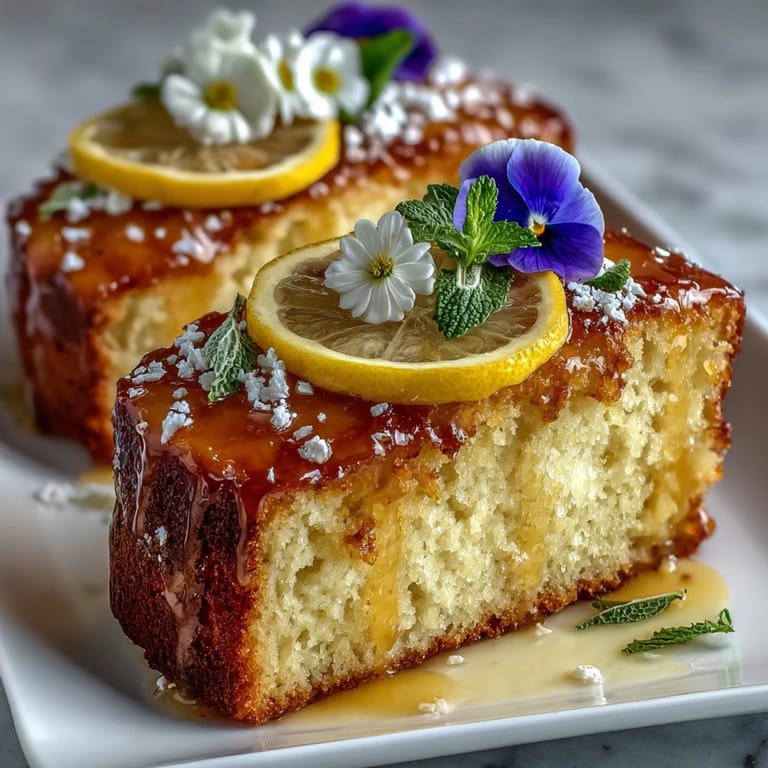
Save The first time I made this for someone I was trying to impress, I skipped the edible flowers because I thought they were fussy and unnecessary. They took one bite and asked if I'd bought it from a bakery, and I felt a little twinge of pride until they added, 'You should have decorated it prettier.' That's when I learned that food isn't just about taste—it's about how it makes someone feel when they see it, and flowers do that in a way plain icing never will.
Why This Cake Works for Mother's Day
There's something about lemon that feels celebratory without being heavy. It's bright and modern enough to impress, but simple enough that you don't spend the entire morning in the kitchen stressing about technique. Serve it with whipped cream or a dollop of crème fraîche, and suddenly it feels like you've done something elaborate when really you've just made a good cake and given it a moment of thought.
Variations and Tweaks
This cake is surprisingly flexible, which is one reason it's become my go-to. If you want extra zing, add a little more lemon zest to the drizzle itself. For a gluten-free version, swap the self-raising flour for a gluten-free blend and add 1 teaspoon of baking powder. If edible flowers aren't available, a dusting of icing sugar and maybe a few candied lemon slices work beautifully too.
Serving and Storage
This cake is best served the day it's made, when the top is still slightly tacky from the drizzle and everything feels fresh. Once it's cooled completely, wrap it loosely in parchment paper and it'll keep for three days without drying out—a small miracle you can thank the lemon drizzle for. Slice it at room temperature with a hot, wet knife for the cleanest cuts, and watch people's faces when they realize you made it yourself.
- If you're making this ahead, bake it the morning of and drizzle it just before the event.
- Edible flowers should go on at the very last moment so they stay crisp and colorful.
- A slice with tea is perfect, but a slice with whipped cream is absolute decadence.
 Save
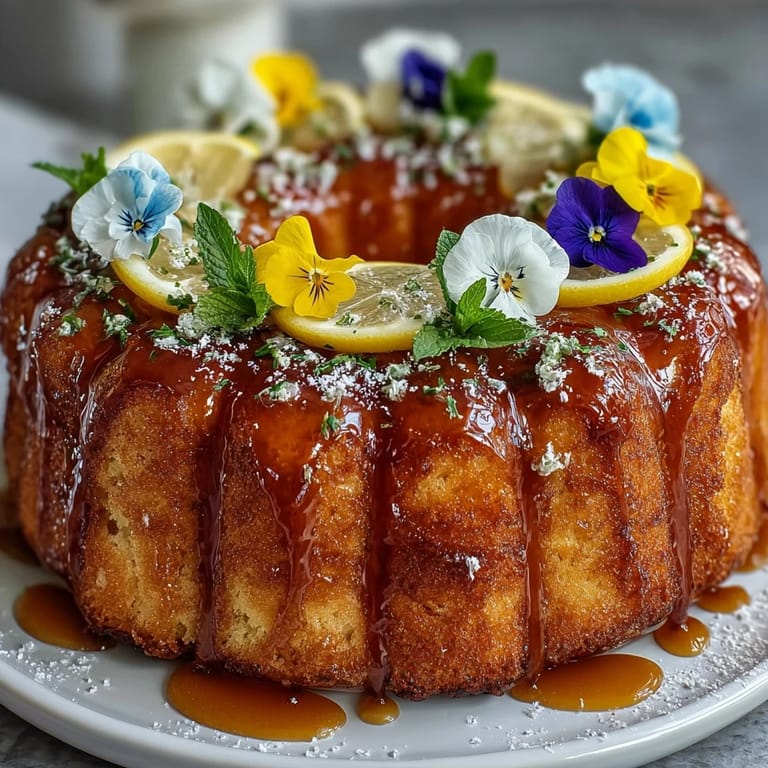
Save Baking this cake is an act of care disguised as a dessert. It says something quietly important about the person you're making it for—that you noticed them, that you spent an hour thinking about their happiness.
Recipe FAQs
- → How do I ensure the lemon drizzle soaks properly?
Use a skewer to poke holes evenly across the warm cake to allow the drizzle to seep in deeply, enhancing the lemon flavor throughout.
- → Can I substitute self-raising flour for gluten-free flour?
Yes, replace self-raising flour with a gluten-free mix and add a teaspoon of baking powder to maintain the light texture.
- → What types of edible flowers are safe to use for decoration?
Use pesticide-free flowers labeled safe for consumption, such as violas, pansies, nasturtiums, and rose petals.
- → How do I store the cake to keep it fresh?
Store in an airtight container at room temperature for up to 2 days or refrigerate for longer freshness.
- → Is there a way to make the cake more moist?
Adding a bit of whole milk to the batter and applying the lemon drizzle while the cake is warm helps keep the cake moist and flavorful.