 Save
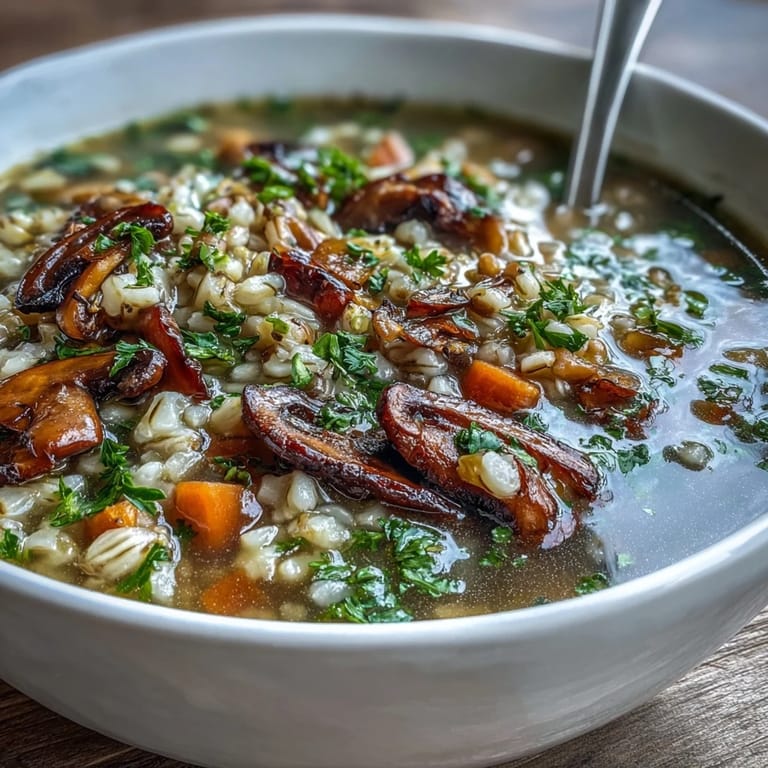
Save I spent a rainy Tuesday trying to recreate the specific depth of flavor from that corner deli in the city. The smell of earthy mushrooms always reminds me of the first apartment where the kitchen was just a hot plate and a dream. I accidentally used too much barley once and it turned into a risotto which was a happy mistake. This version is exactly what I crave when the windows get foggy from the cold outside. It feels like a warm hug in a bowl after a long commute.
Last winter my neighbor brought over some crusty rye bread right as the pot started to whistle on the stove. We ended up sitting on the floor eating straight from the pot while the snow piled up outside the window. It was one of those rare moments where the food mattered less than the company but still tasted like a masterpiece.
Ingredients
- Dried Shiitake Mushrooms: These little flavor bombs are essential for that deep golden broth color and concentrated woodsy taste.
- White Mushrooms: I like to slice these thick so they keep some bite even after the long simmering process.
- Pearl Barley: Make sure to rinse this well to remove excess starch so your soup stays clear rather than turning gummy.
- Olive Oil: A good quality oil helps to carry the flavors of the vegetables as they soften.
- Aromatics: Dicing the onion carrots and celery finely ensures they melt into the background of the rich broth.
- Garlic: I always mince this fresh because the jarred version just does not have that sharp punch.
- Vegetable Broth: Use a low sodium version so you can control the saltiness as the liquid reduces and intensifies.
- Herbs and Spices: The combination of bay leaves thyme and parsley adds a subtle herbal depth that connects the earthy flavors.
Tired of Takeout? 🥡
Get 10 meals you can make faster than delivery arrives. Seriously.
One email. No spam. Unsubscribe anytime.
Instructions
- Rehydrating the shiitakes:
- Pour your boiling water over the dried mushrooms and let them steep until they look plump and velvety. Make sure to strain the liquid through a fine sieve to catch any lingering grit.
- Sautéing the base:
- Toss the onion carrots and celery into the hot oil and watch for them to become translucent and sweet. This builds the foundational flavor of the entire pot.
- Aromatic infusion:
- Stir in the garlic for just a minute until the air in your kitchen smells like a five star bistro. Be careful not to let it brown too much or it might turn bitter.
- Browning the mushrooms:
- Let the fresh and soaked mushrooms hit the pan and cook until they release their savory juices. This step concentrates the mushroom essence before any liquid is added.
- The long simmer:
- Pour in the broth soaking liquid and barley then let it bubble away gently while the grains swell. The barley is ready when it is tender but still has a pleasant chewy texture.
- Final seasoning:
- Fish out the bay leaves and give the soup a taste to see if a pinch more salt makes the flavors pop. Garnish with fresh parsley to add a bright splash of color to the bowl.
 Save
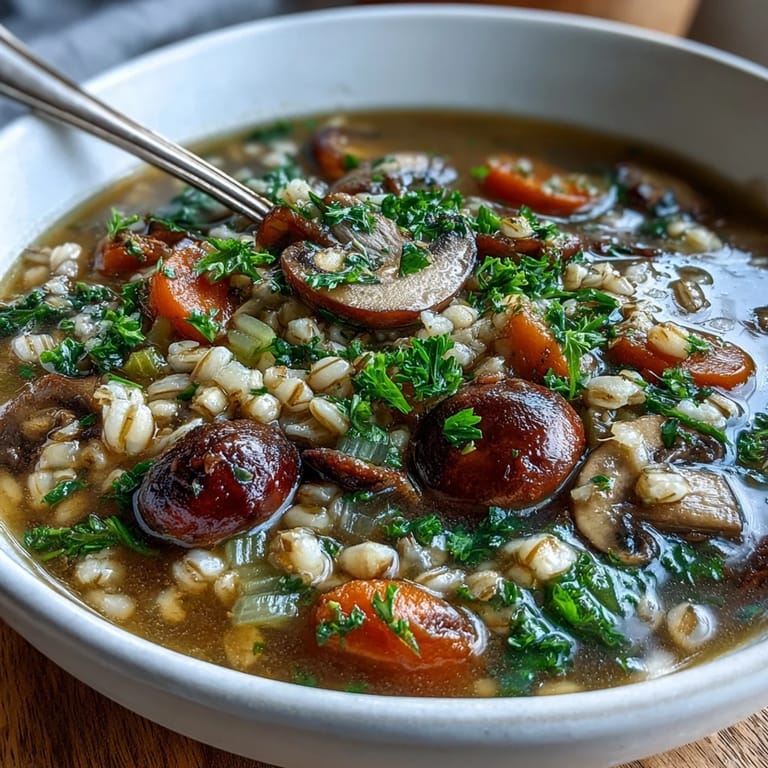
Save My grandmother used to say that a soup is only as good as the patience you put into the simmer. Watching the barley slowly expand under the lid taught me more about slow living than any book ever could.
Picking Your Mushrooms
You do not have to stick to just white mushrooms if you find something interesting at the market. Cremini or even a few chopped portobellos can add a different texture and a darker hue to the broth. I once tried oyster mushrooms and they melted into the liquid in the most luxurious way possible.
The Art Of The Broth
The real magic happens when the soaking liquid from the dried mushrooms meets the vegetable stock. It creates a complex profile that mimics the richness of a slow cooked beef stew without using any meat at all. I always make sure to use a fine mesh strainer to keep the liquid crystal clear.
Serving Suggestions
This soup is a chameleon and pairs perfectly with almost any side you have in the pantry. A thick slice of buttered rye is the classic choice but a simple green salad provides a nice crisp contrast. If you have leftovers remember that the barley will continue to drink the liquid overnight.
- Add a dollop of sour cream or Greek yogurt for a creamy twist.
- Squeeze a tiny bit of lemon juice over the bowl to brighten the earthy tones.
- Keep extra broth on hand for when you reheat it the next day.
 Save
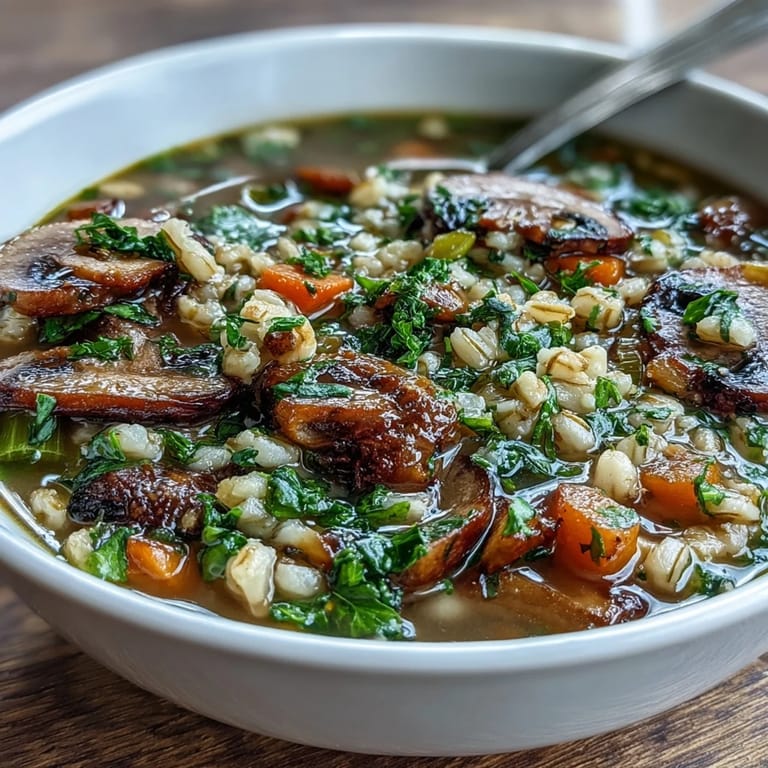
Save This soup is a steady companion through the coldest months of the year. I hope every spoonful brings you as much comfort as it has brought to my kitchen.
Recipe FAQs
- → Can I use quick-cooking barley instead of pearl barley?
Pearl barley provides the best texture and slow-cooked heartiness. Quick barley works in a pinch but reduces simmering time to 15-20 minutes and yields a softer, less chewy grain.
- → Why strain the mushroom soaking liquid?
Dried shiitakes often carry grit or sediment from cultivation. Straining through cheesecloth or a fine sieve captures all the earthy flavor while removing any sandy particles that would ruin the texture.
- → How long does this keep in the refrigerator?
This bowl stores beautifully for 4-5 days when covered and refrigerated. The barley continues absorbing liquid, so add more broth when reheating to reach desired consistency.
- → Can I freeze this for later?
Yes! Portion into airtight containers and freeze for up to 3 months. The texture remains excellent since barley freezes well without becoming mushy. Thaw overnight in the refrigerator.
- → What other vegetables work well in this?
Turnips, parsnips, or diced potatoes add extra heartiness. Kale or spinach stirred in during the last 5 minutes provides color and nutrients. Adjust simmering time if adding harder vegetables.
- → Is there a gluten-free grain substitute?
Brown rice or wild rice work well, though they require longer cooking time. For faster preparation, try quinoa, which simmers for just 15-20 minutes until tender.