 Save
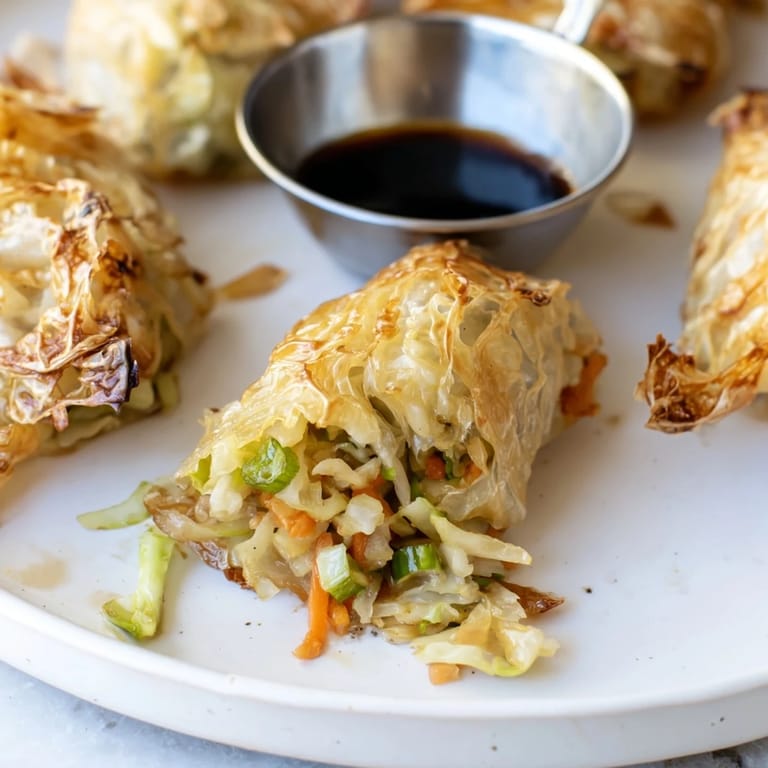
Save I discovered these dumplings by accident one late night, scrolling through videos while waiting for takeout that never seemed to arrive. The simplicity caught me off guard—just rice paper, some vegetables I had lying around, and a hot skillet. What fascinated me most was how something so minimal could transform into something so impossibly crispy, the way the rice paper blistered and turned golden like delicate armor around the filling. I made a batch that first time out of pure curiosity, and the sound of them sizzling in the pan, that satisfying crunch when I bit into one—it felt like discovering a secret. Now they're the first thing I reach for when I want something that feels indulgent but actually isn't.
I remember making these for a small dinner party where one guest mentioned she'd gone gluten-free, and I suddenly panicked about what to serve. These dumplings saved me that night—they were crispy, they were impressive, and watching everyone come back for seconds without realizing they were accidentally eating health food made me smile. My friend Sarah still texts me asking for them before she visits, which is probably the highest compliment a recipe can get.
Ingredients
- Green cabbage: The backbone of the filling, shredded fine so it softens quickly and distributes flavor evenly through every bite.
- Carrot: Adds natural sweetness and body—grating it releases moisture that helps bind everything together.
- Shiitake mushrooms: These are non-negotiable for me because they add an umami depth that makes the filling taste restaurant-quality, finely chopped so they don't tear the rice paper.
- Green onions: Sliced thin so you get that bright onion note in every single dumpling without overwhelming anything.
- Garlic and ginger: These are your flavor boosters; they wake up all the other ingredients and give the whole thing character.
- Soy sauce or tamari: The salty anchor that ties everything together, and tamari keeps it gluten-free if that matters to you.
- Sesame oil: Just a teaspoon, but it's that secret ingredient that makes people ask what you did differently.
- Rice paper sheets: Look for 22 cm round sheets—they're sturdy enough to handle but still get that beautiful crispy texture when fried.
- Neutral oil: Canola or avocado oil works perfectly; you want something with a high smoke point that won't interfere with the delicate flavors.
Tired of Takeout? 🥡
Get 10 meals you can make faster than delivery arrives. Seriously.
One email. No spam. Unsubscribe anytime.
Instructions
- Mix your filling:
- Combine the cabbage, carrot, mushrooms, green onions, garlic, soy sauce, sesame oil, and ginger in a large bowl. Mix everything together until it feels cohesive and the flavors start mingling.
- Cook the filling:
- Heat a nonstick skillet over medium heat and add the filling mixture, sautéing for 3 to 4 minutes until the vegetables just begin to soften—they should still have a slight firmness. This step matters because it removes excess moisture that would otherwise make your dumplings soggy, and it lets the flavors deepen slightly. Let it cool for a minute or two before assembly so you're not handling hot filling.
- Prep your rice paper:
- Fill a shallow dish with warm water and keep a damp kitchen towel nearby. The warm water is key here—it softens the rice paper just enough to work with without making it tear or stick to itself.
- Wrap each dumpling:
- Dip one sheet of rice paper into the warm water for about 5 to 10 seconds—not longer, or it becomes impossibly fragile. Lay it on the damp towel, place 2 tablespoons of filling in the center, fold in the sides, and roll it up tightly like a burrito, pressing gently so everything stays put.
- Fry them to golden:
- Heat oil in your skillet over medium heat and place the dumplings seam side down, giving each one space so they don't steam themselves. Cook for 2 to 3 minutes per side until they're golden and deeply crispy, flipping gently with tongs to protect that delicate rice paper exterior.
- Make your dipping sauce:
- Whisk together soy sauce or tamari, rice vinegar, a touch of maple syrup or honey, and chili flakes if you like heat. This comes together in the time it takes the dumplings to cool just enough to eat without burning your mouth.
 Save
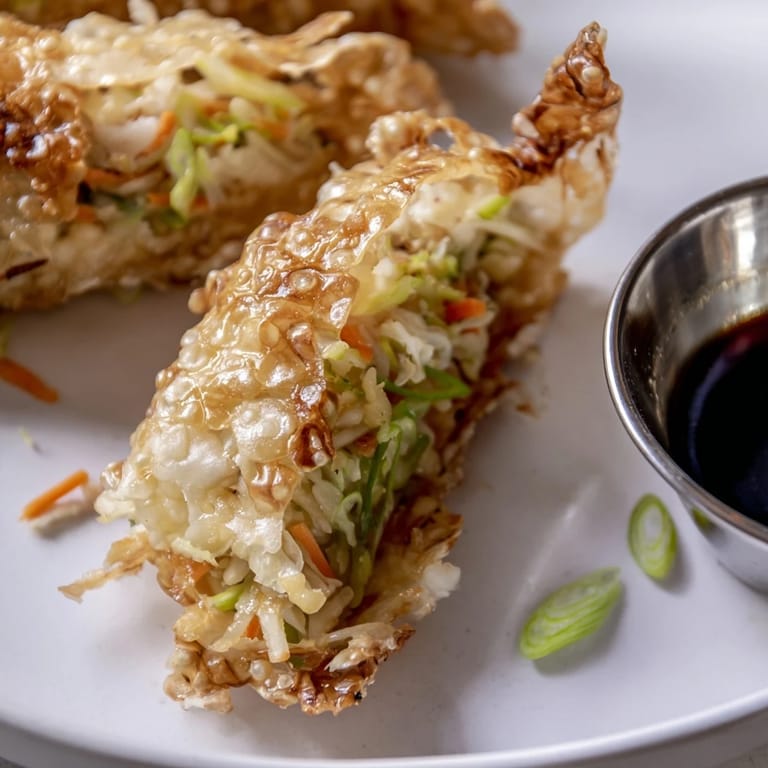
Save There's something almost magical about the moment you pull a perfectly crispy dumpling from the pan and that shattering sound fills the kitchen. I think that's when these stopped being just another recipe for me and became something I'd actually crave—it's the texture, the smell, the way the filling releases a little steam when you bite into it. They're simple enough that you don't feel guilty eating several, but fancy enough to feel like you did something special.
The Story Behind the Crisp
I spent weeks figuring out why some batches came out crispy and others didn't, and it came down to three things: temperature, spacing, and patience. The oil needs to be medium heat—hot enough to crisp the paper but not so hot it burns before the inside cooks through. I also realized that crowding the pan makes them steam instead of fry, which is the opposite of what we want. And flipping too early is tempting but wrong; you need to let each side get its full time in the heat.
Variations and Add-Ins
The beauty of this recipe is how forgiving it is when you want to experiment. I've added shredded tofu when I needed more protein, and once I threw in some finely minced water chestnuts for extra crunch, which made them even more interesting. You could also double-wrap them in a second sheet of rice paper if you want them absolutely shattering, though they're already pretty spectacular as is.
Making Them Ahead and Serving
You can absolutely prep the filling hours ahead, and the dumplings themselves can be wrapped and refrigerated for a few hours before frying—just bring them to room temperature first. The dipping sauce stores in the fridge for days, which means you could theoretically have these ready to cook in about fifteen minutes on a weeknight. I like making them when I know people are coming over because they're impressive enough to feel like effort but easy enough that I'm not stressed about it.
- Double-check that your rice paper sheets are room temperature before dipping, or they get sticky.
- If you're making them for a crowd, you can keep cooked ones warm in a low oven while you finish batches.
- The filling can handle a little extra heat, so don't worry if you've sautéed it a minute longer than the recipe says.
 Save
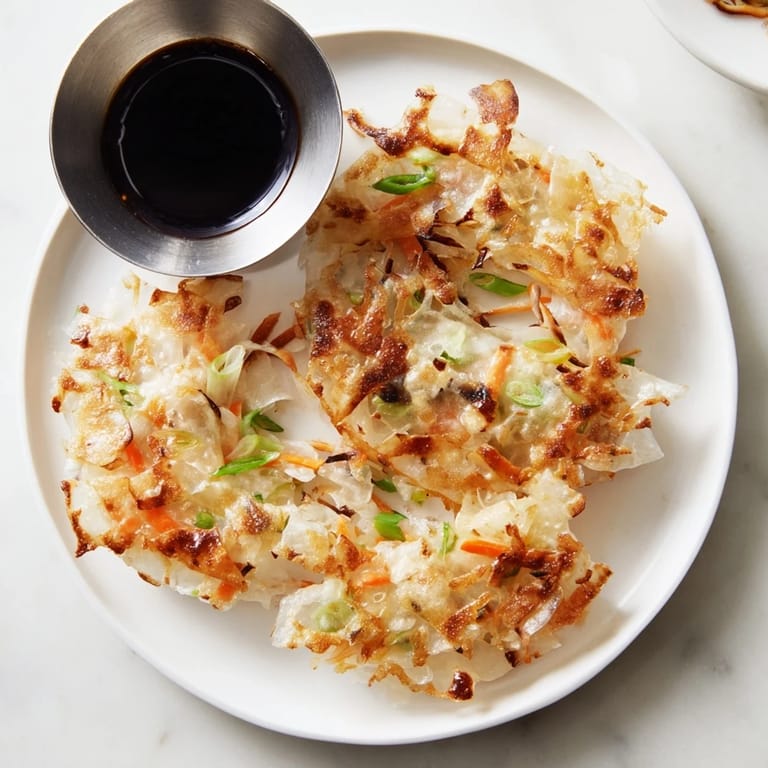
Save These dumplings have become my go-to recipe when I want something that feels indulgent without apology. Whether you're serving them to impress people or just making them for yourself on a Tuesday night, they never fail to deliver that perfect balance of crispy and juicy.
Recipe FAQs
- → How do I soften rice paper sheets properly?
Dip each rice paper sheet in warm water for 5–10 seconds until pliable but not over-soaked to avoid tearing.
- → What vegetables work best for the filling?
Shredded cabbage, grated carrot, chopped shiitake mushrooms, and sliced green onions create a flavorful, textured filling.
- → Can I make these gluten-free?
Yes, use tamari soy sauce and ensure the rice paper is gluten-free for a safe, gluten-free option.
- → What is the best oil for frying dumplings?
Neutral oils like canola or avocado oil work best to achieve a golden, crispy exterior without overpowering flavors.
- → How do I keep dumplings crisp after cooking?
Serve immediately or double wrap with an extra rice paper layer for enhanced crunch that holds longer.