 Save
Save Last summer, I was standing in my friend's kitchen watching her flip through a Korean cookbook when she suddenly looked up and said, "What if we made nachos Korean?" I laughed at first, but then she started pulling out gochujang and I realized she was serious. Within an hour, we had created something that shouldn't work but absolutely does—crispy tortilla chips draped with spicy marinated beef, melted cheese, and a chaos of bright vegetables that somehow feels like both a weeknight nacho night and a Korean BBQ dinner at the same time.
The first time I made this for a dinner party, I was nervous about the fusion angle—would people think it was weird or gimmicky? But watching everyone stop mid-conversation to grab a loaded chip, their eyes widening at the combination of textures and flavors, I realized this dish had something special. One guest actually said it tasted like a Korean restaurant decided to throw a party on a plate.
Ingredients
- Flank steak or sirloin, thinly sliced (300 g / 10 oz): The thinner you slice it, the faster it marinates and the more tender it becomes; I always partially freeze it for 15 minutes before slicing to get cleaner edges.
- Gochujang (2 tbsp): This Korean chili paste is the soul of the dish, bringing umami depth and a complex heat that's different from standard hot sauce.
- Soy sauce (1 tbsp): Adds saltiness and fermented depth that ties all the marinade flavors together.
- Brown sugar (1 tbsp): Balances the heat and saltiness while caramelizing slightly when the beef sears.
- Sesame oil (2 tsp): A little goes a long way; it brings that toasty, nutty note that screams Korean BBQ.
- Garlic and ginger (2 cloves and 1 tsp): These aren't just flavor boosters—they help tenderize the meat slightly and add warmth to the marinade.
- Rice vinegar (1 tsp): A touch of acidity cuts through the richness and brightens the whole marinade.
- Tortilla chips (200 g / 7 oz): Look for sturdy chips that won't get soggy immediately; thicker, restaurant-style chips work better than delicate ones.
- Shredded mozzarella and Korean cheese blend (100 g each): The mozzarella melts smoothly while the Korean cheese adds a sharper, creamier quality that feels more indulgent.
- Red onion, carrot, cucumber, and scallions: These vegetables add freshness and crunch that's essential for cutting through the richness of the cheese and beef.
- Toasted sesame seeds (1 tbsp): They bring a subtle nutty crunch and look beautiful scattered across the top.
- Kimchi and fresh cilantro or shiso leaves: These final garnishes add brightness, funk, and an herbaceous note that elevates everything.
Tired of Takeout? 🥡
Get 10 meals you can make faster than delivery arrives. Seriously.
One email. No spam. Unsubscribe anytime.
Instructions
- Build Your Marinade:
- In a mixing bowl, combine gochujang, soy sauce, brown sugar, sesame oil, minced garlic, grated ginger, rice vinegar, and black pepper. Stir until smooth and the sugar begins to dissolve, then add your sliced beef and massage it gently so every piece gets coated.
- Let It Rest:
- Cover the bowl and let the beef marinate for at least 20 minutes at room temperature, or up to 4 hours in the fridge if you have time. The longer it sits, the deeper the flavors penetrate.
- Heat Your Skillet:
- Preheat your oven to 200°C (400°F) while you get a large skillet sizzling over medium-high heat. You want it hot enough that the beef sears immediately when it hits the pan.
- Sear the Beef:
- Working in batches so you don't crowd the pan, cook the marinated beef for 2–3 minutes per batch until the edges are deeply browned and caramelized. The marinade will blacken slightly around the beef, which is exactly what you want—that's flavor.
- Layer Your Nacho Base:
- Line a baking tray with parchment paper and spread your tortilla chips in a single, even layer. Sprinkle half of your shredded cheeses over the chips, then scatter the cooked beef across the top, and finish with the remaining cheese so it covers as much surface area as possible.
- Melt the Cheese:
- Slide the tray into your preheated oven for 6–8 minutes, watching until the cheese is bubbling at the edges and golden in spots. Don't walk away—the difference between melted and burnt is just a minute or two.
- Add the Fresh Elements:
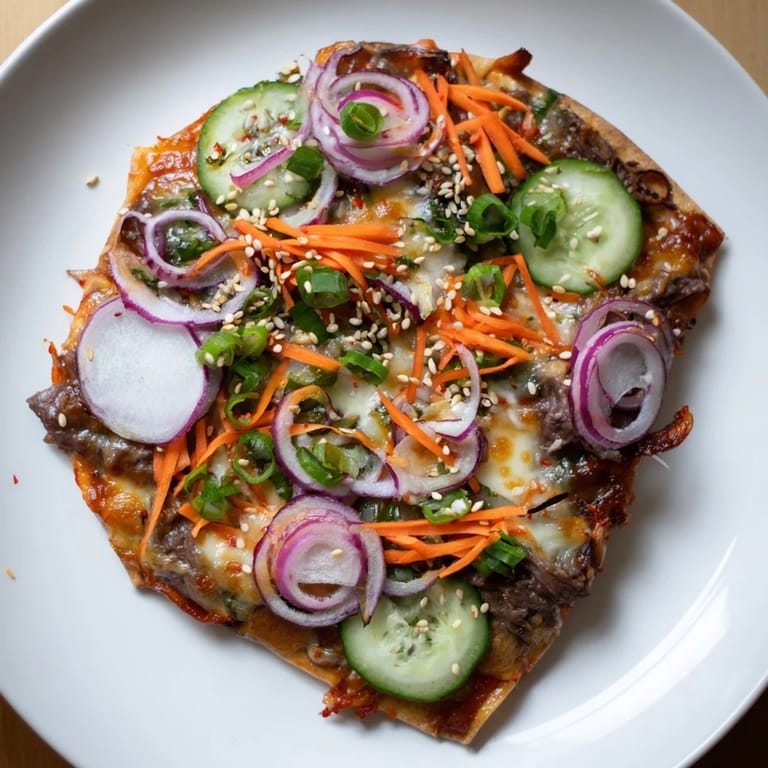
- The moment you pull it out, scatter your thinly sliced red onion, julienned carrot, cucumber slices, scallions, and optional red chili over the hot nachos. The heat will slightly soften them while keeping them fresh.
- Final Garnish:
- Top everything with chopped kimchi and fresh cilantro or shiso leaves, then drizzle with sriracha mayo or gochujang mayo if you want extra richness. Serve with lime wedges on the side so people can squeeze as much as they like.
 Save
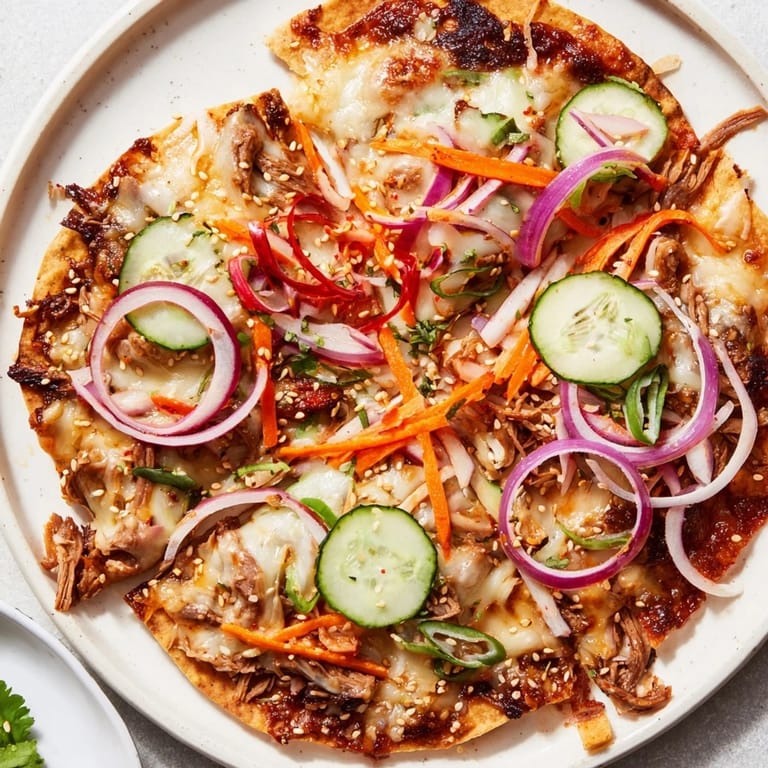
Save There's a moment after everyone takes their first bite when the table goes quiet—and that's when you know you've created something that matters. This dish isn't just food; it's a conversation starter that brings Korean flavors into a format everyone already loves, which somehow makes it feel both familiar and exciting at the same time.
The Marinade Magic
The beauty of this marinade is that it does multiple jobs at once: it tenderizes the beef, infuses it with flavor, and caramelizes when it hits the hot skillet to create those irresistible charred bits. I learned early on that the gochujang needs to be mixed thoroughly with the other ingredients so you don't end up with clumps of chili paste; a little stirring prevents that. The brown sugar is crucial too—it's not just sweetness, it's what makes the marinade coat the meat evenly and caramelize beautifully.
Why This Fusion Actually Works
Nachos and Korean BBQ have more in common than you'd think: both are about bold flavors, generous toppings, and the joy of eating with your hands. Where traditional nachos rely on cheese and meat, this version layers in the umami-rich gochujang and sesame oil that make Korean food so craveable. The vegetables add freshness that cuts through richness, which is exactly how Korean meals are structured—you balance richness with brightness.
Customization and Pairing
This is a recipe that welcomes creativity without falling apart. Swap the beef for grilled chicken thighs if you want something milder, or use marinated mushrooms and tofu for a vegetarian version that's honestly just as satisfying. I've had success adding sliced avocado right before serving, or even a drizzle of gochujang cream cheese thinned out with a little mayo. As for drinks, this pairs beautifully with a crisp lager, chilled soju, or even a cold Riesling if you want something slightly sweet to balance the heat.
- Make it your own by adding radish, pickled jalapeños, or even fried shallots for extra crunch.
- If you're serving a crowd, double the batch and use two trays—these go fast.
- Leftovers can be gently reheated in a 180°C oven for about 5 minutes, though they're honestly better eaten fresh.
 Save
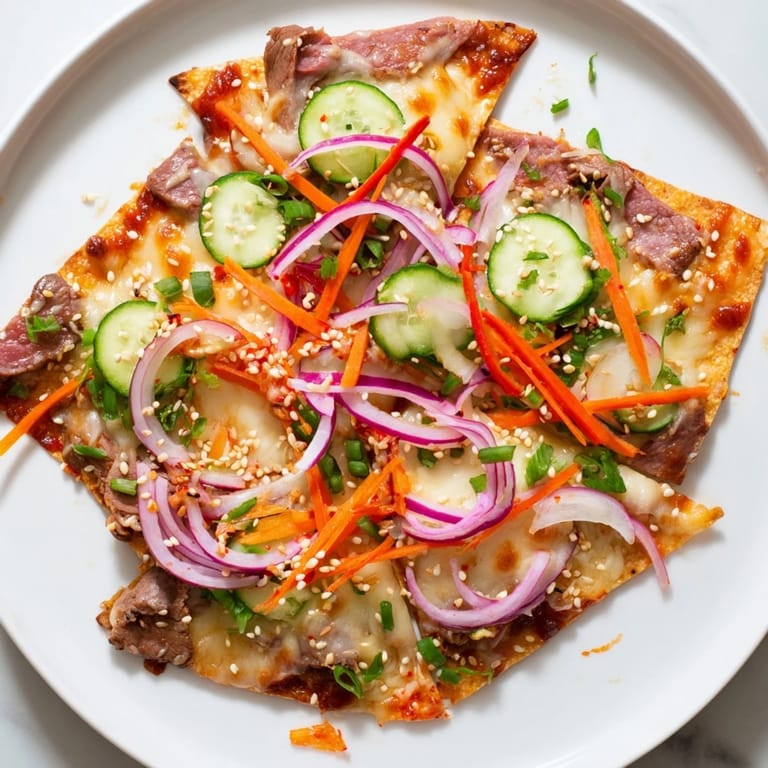
Save Korean BBQ nachos are proof that good food doesn't need to choose sides—it can be playful and sophisticated, familiar and adventurous, all at once. Make this when you want to surprise people, impress yourself, or just have an excuse to gather around something delicious and undeniably fun.
Recipe FAQs
- → What cut of beef works best for this dish?
Flank steak or sirloin sliced thinly are ideal for quick cooking and absorbing the gochujang marinade deeply.
- → Can I substitute the beef with a vegetarian option?
Yes, marinated mushrooms or jackfruit make excellent plant-based alternatives that soak up the spicy marinade well.
- → How should I achieve the best cheese melt?
Bake the assembled dish in a preheated oven until the cheeses are bubbling and golden for perfect melt and flavor fusion.
- → What garnishes enhance the dish’s flavors?
Chopped kimchi, fresh cilantro or shiso leaves, toasted sesame seeds, and a drizzle of sriracha or gochujang mayo add layers of tang and spice.
- → How can I add freshness and texture to the toppings?
Thinly sliced red onion, julienned carrot, cucumber slices, scallions, and optional red chili contribute crispness and vibrancy.